
SOCIETY — February 18, 2026
Image of Afghan Girl Disguised as Boy Sparks Discussion on Poverty and Restrictions
A social media image of Nourieh, a girl disguised as a boy due to poverty and restrictions, revives stories like that of Shakrieh, who did the same during the first Taliban era to help her family.
The Ehtebar Desk — originates with Hasht-e Subh — 2 min read
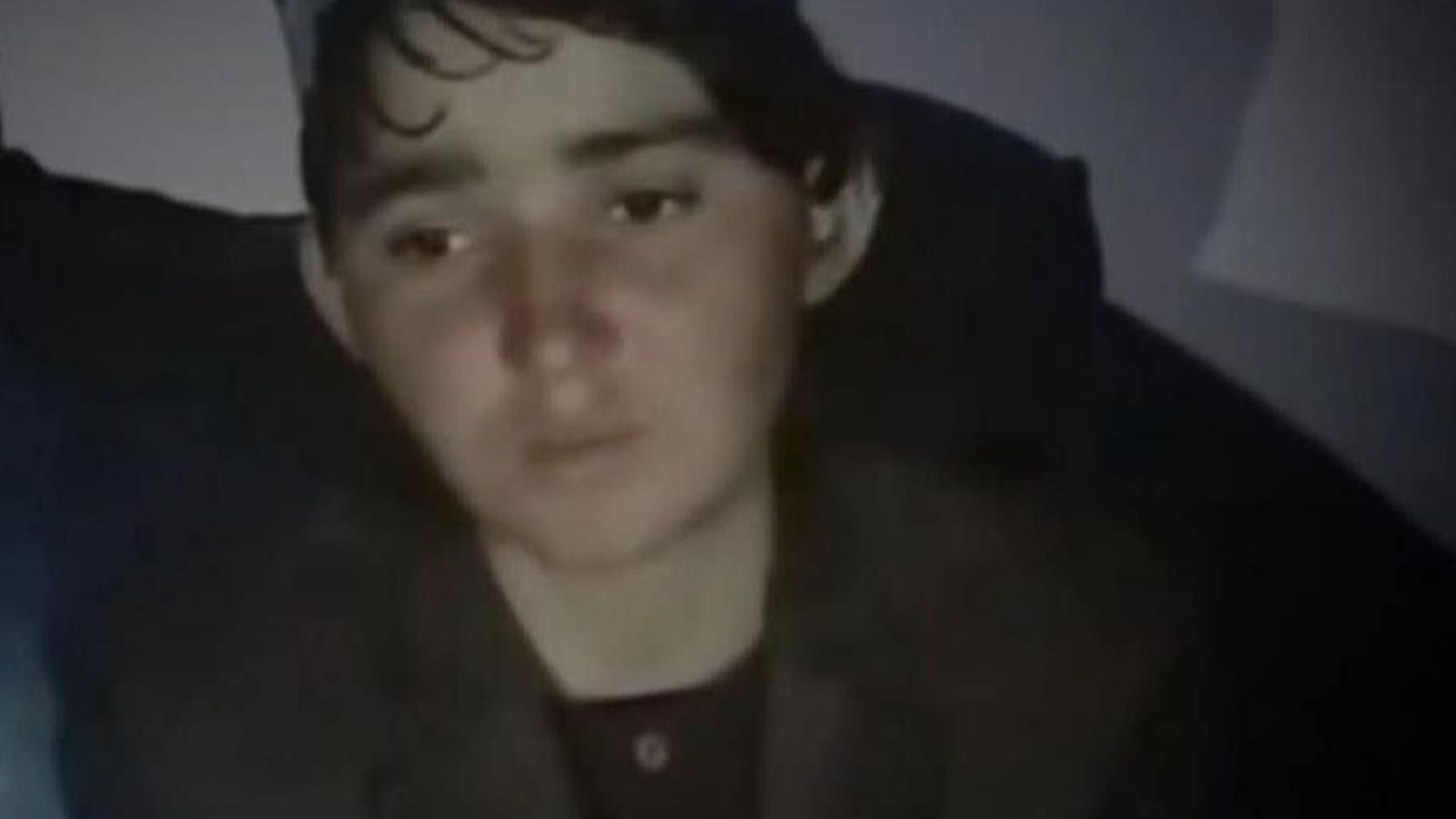
An image circulating on social media shows a girl named Nourieh dressed in boys' clothing, including a traditional Kandahari hat, prompting reflections on how poverty, fear, and compulsion drive such changes. The story highlights the pressures forcing girls to cut their hair and adopt male attire to access education, work, or public spaces in Afghanistan, where such opportunities for females are restricted or challenging.
No specific statistics are available on the number of girls who have taken similar steps in the past four or five years, but the practice is acknowledged as occurring. Shakrieh, who experienced this during the first Taliban rule in the late 1990s, shared her story. Then living in Pul-e Khumri, Baghlan province, her family moved to Kabul amid economic hardship as her father struggled to find steady work.
Shakrieh recounted helping her father sell goods from a cart, initially soap and detergents, later shifting to fruit vending due to market instability. To assist, she dressed in old boys' clothes—a worn shalwar kameez, an old vest, a woven cap pulled low, and a cloth around her face—and accompanied him to the Mandawi market, avoiding conversation with others. She noted other girls did the same out of necessity.
Now a mother of two daughters, Shakrieh expressed hope they would never face such compulsion. The narrative underscores the lasting impact of these experiences and calls for addressing the conditions that lead girls to alter their appearance to survive economic and social constraints.
Read the original reporting at Hasht-e Subh →
Reliability assessment
Single source with direct first-person testimony from named individual (Shakrieh) providing checkable details (locations like Pul-e Khumri, Mandawi market; time period), but main hook (Nourieh image) relies on unverified social media circulation; story features strong anti-Taliban framing and emotional/reflective tone rather than purely factual reporting.
Across the newsrooms
Filed by
Hasht-e Subh
Originating
Filed under
Society — Nourieh, Shakrieh, girls disguising as boys, Taliban restrictions, poverty
Reader supported
Keep Ehtebar running
Every published story uses paid tools to translate reporting, compare sources, extract claims, and produce a clearer read on Afghanistan. Reader support helps keep that work independent.
€5
helps cover daily verification runs
€15
supports a week of source comparison
€50
keeps independent analysis moving
More in Society
Health Officials and Experts Discuss Rise in Black Jaundice Cases in Afghanistan
— Reliable

Discussion on Agricultural Products and Health Services in Samangan Province
— Reliable
WHO Report Cites Taliban Restrictions and Funding Shortfalls as Threats to Health Services in Afghanistan
— Reliable
Afghan officials report returns of families from Pakistan and Iran alongside releases from Pakistani prisons
— Reliable