
ECONOMY — May 5, 2026
Inter-Ministerial Investment Committee Approves 48 Projects Worth 35 Billion Afghanis
The Inter-Ministerial Investment Committee has approved 48 projects worth approximately 35 billion Afghanis across six economic sectors, with officials reporting thousands of new jobs and growth in the construction materials market.
The Ehtebar Desk — originates with Pajhwok — corroborated by Bakhtar News, RTA and Hurriyat — 2 min read
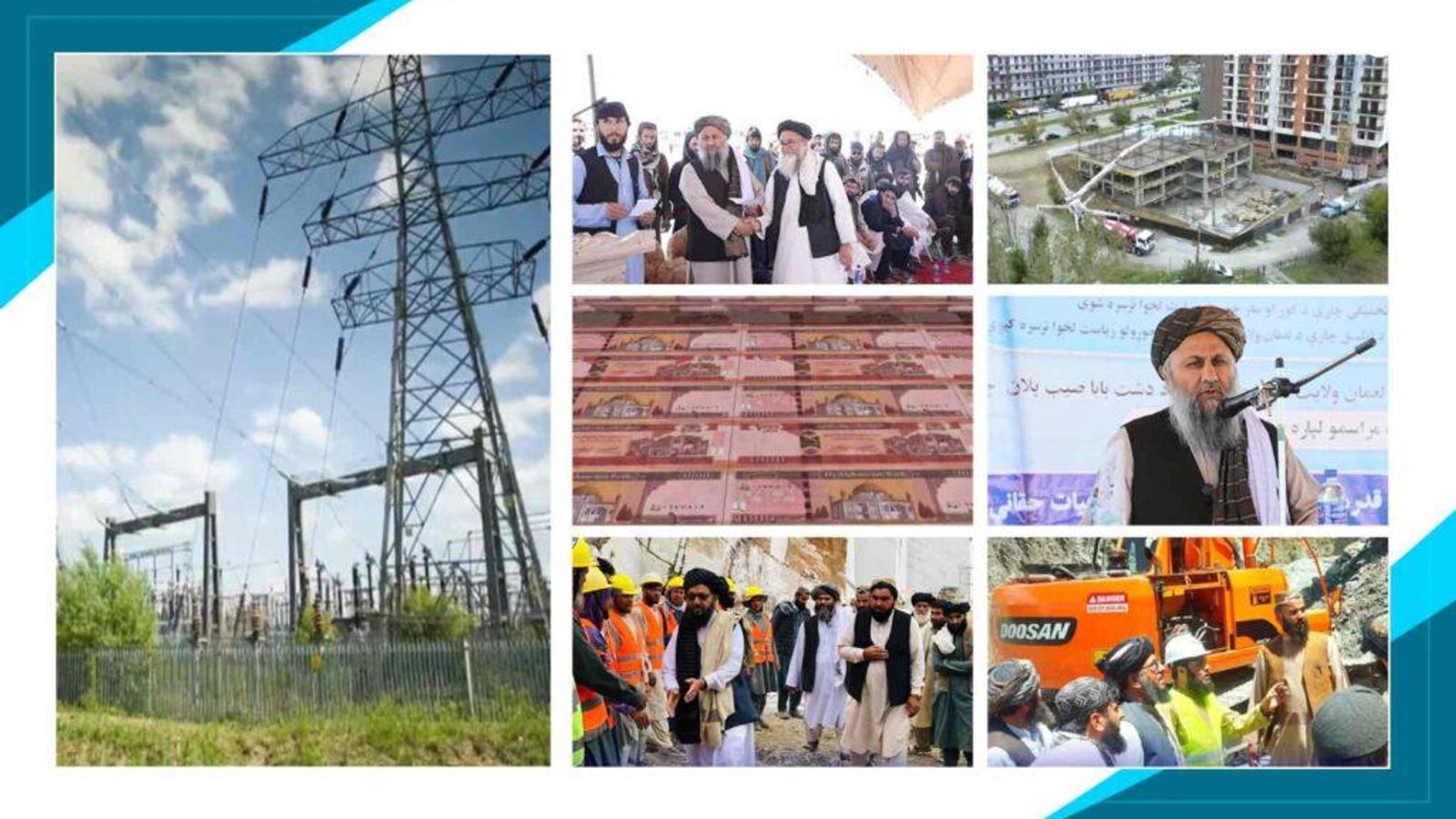
The Inter-Ministerial Investment Committee has approved 48 domestic and foreign projects valued at approximately 35 billion Afghanis, according to an announcement from the Economic Deputy of the Prime Minister’s Office. The approved initiatives span multiple economic sectors, including energy, infrastructure, construction, agriculture, transport, and information technology.
Officials stated that the committee reviewed the proposals before securing leadership approval to move forward with implementation. The projects are currently being executed across several provinces, with early phases already generating thousands of employment opportunities. Government representatives noted that the ongoing development work has significantly stimulated the domestic market for construction materials.
Established in 2022, the committee operates under the Islamic Emirate of Afghanistan to streamline investment approvals and improve the national business climate. By consolidating oversight across multiple government ministries, the body aims to facilitate both local and international capital inflows while ensuring alignment with broader economic priorities.
Authorities emphasized that the newly approved investments are expected to drive sustained economic growth and enhance infrastructure capacity nationwide. The Economic Deputy’s Office reiterated its commitment to attracting further investment and expanding development initiatives in the coming months, inviting additional private and foreign capital to participate in upcoming projects.
Read the original reporting at Pajhwok →
Reliability assessment
Four independent outlets corroborate the official announcement from the Economic Deputy of the Prime Minister's Office regarding the approval of 48 investment projects worth approximately 35 billion Afghanis. The reporting is consistent across all sources with direct, on-record attribution to a named government office. No conflicting details or contradictions were identified.
The source language reads straight.
Across the newsrooms
Where reports agree
- All four sources report the exact same investment total (~35 billion Afghanis) and number of projects (48).
- All sources attribute the announcement to the Economic Deputy of the Prime Minister's Office.
- All sources list the same six economic sectors for the investments.
- All sources state the projects are being implemented across multiple provinces, creating jobs and stimulating the construction materials market.
Where reports differ
- No substantive disagreements exist across the sources. Pajhwok provides additional structural details (committee membership and 2022 establishment date) not mentioned by others, but this does not contradict any other reporting.
Filed by 4 outlets
Pajhwok
Originating
Reported straight
Reported straight
Bakhtar News
Reported straight
Reported straight
RTA
Reported straight
Reported straight
Hurriyat
Reported straight
Reported straight
Filed under
Economy — Inter-Ministerial Investment Committee, Afghanistan Economy, Foreign Investment, Prime Minister's Office, Economic Development
Reader supported
Keep Ehtebar running
Every published story uses paid tools to translate reporting, compare sources, extract claims, and produce a clearer read on Afghanistan. Reader support helps keep that work independent.
€5
helps cover daily verification runs
€15
supports a week of source comparison
€50
keeps independent analysis moving
More in Economy
Economic Commission Approves 37 Domestic Standards and 12 Testing Methods
— Reliable

Taliban Governor Says Around 700 Mines Under Extraction in Panjshir
— Reliable
Daily Production at Baghlan's Ghori Cement Factory Increases to 700 Tons
— Reliable
Two Irrigation and Flood-Prevention Projects Completed in Zabul
— Reliable