INTERNATIONAL — March 3, 2026
Iran's IRGC Announces Strait of Hormuz Closed, Warns of Attacks on Ships
Iran's IRGC declared the Strait of Hormuz closed amid escalating regional conflict, warning of attacks on passing ships and citing recent strikes on Iranian leaders. Reports indicate significant disruptions to maritime traffic and oil tanker attacks.
The Ehtebar Desk — originates with Khaama Press — corroborated by Hasht-e Subh — 2 min read
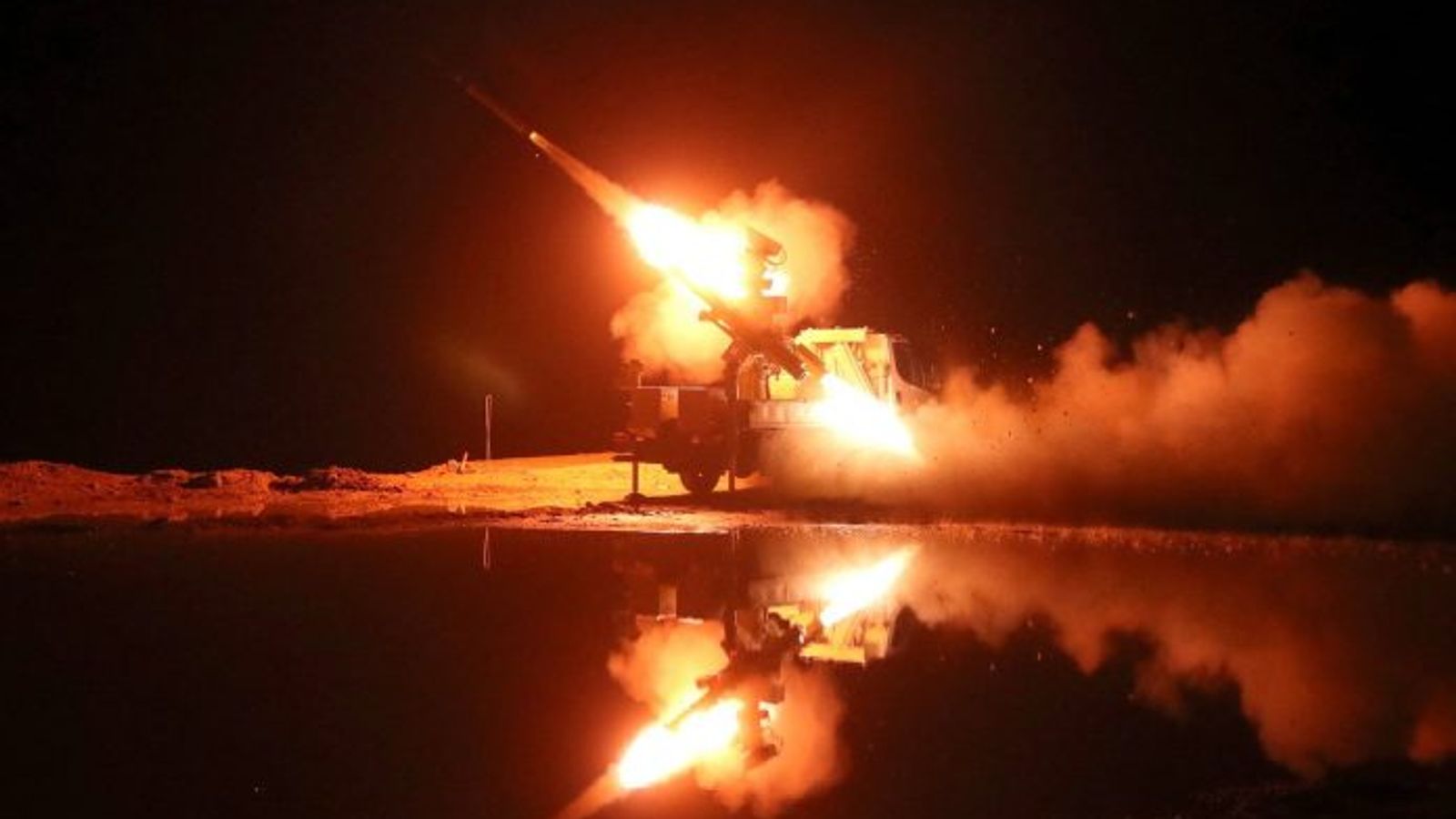
The Islamic Revolutionary Guard Corps (IRGC) has announced that the Strait of Hormuz is closed and warned that any vessel attempting to pass through the waterway would face attack by Iranian forces.
The Strait of Hormuz, between Iran and Oman, serves as a critical chokepoint for oil and gas exports from the Persian Gulf. Roughly 20 percent of global daily oil consumption, about 20 million barrels per day, passes through it, along with significant liquefied natural gas shipments destined for markets including China, India, Japan, South Korea, Europe and others.
A senior IRGC commander stated Tuesday that the strait is closed and that Iranian naval forces would set ships ablaze if they attempted to cross. The commander added that Iran would not allow even a single drop of oil to leave the region and predicted oil prices could surge to $200 per barrel.
Reports cited by Al Jazeera indicate Iranian attacks on oil tankers have damaged at least five vessels, killed two people and left around 150 ships stranded. Maritime traffic through the strait has declined by at least 80 percent, with shipping, oil and insurance companies rerouting operations.
The announcement follows escalating conflict between Iran, the United States and Israel after joint strikes that reportedly killed senior Iranian leaders, including Supreme Leader Ali Khamenei.
Analysts have warned that a prolonged closure could disrupt global supply chains, drive oil prices higher and draw Gulf states into the conflict. While a long-term blockade is seen as unlikely, current disruptions have already increased oil prices, shipping and insurance costs.
Read the original reporting at Khaama Press →
Reliability assessment
Reported by two Afghan outlets (Khaama Press, Hasht-e Subh), but lacks corroboration from multiple independent international sources or direct on-record attribution (e.g., official IRGC statement, video, or named spokesperson). The underlying announcement of closure—a highly sensitive claim—is unverified and not widely attributed.
The source language reads straight.
Across the newsrooms
Filed by 2 outlets
Khaama Press
Originating
Hasht-e Subh
Filed under
International — IRGC, Strait of Hormuz, Iran, oil prices
Reader supported
Keep Ehtebar running
Every published story uses paid tools to translate reporting, compare sources, extract claims, and produce a clearer read on Afghanistan. Reader support helps keep that work independent.
€5
helps cover daily verification runs
€15
supports a week of source comparison
€50
keeps independent analysis moving