
POLITICS — March 26, 2026
Journalists in Kabul Voice Concerns Over Media Censorship and Information Restrictions
Journalists in Kabul have expressed concerns about severe restrictions on information access and media censorship, stating that many important events remain hidden due to self-censorship and that domestic media can only publish Taliban-approved content.
The Ehtebar Desk — originates with Hasht-e Subh — 2 min read
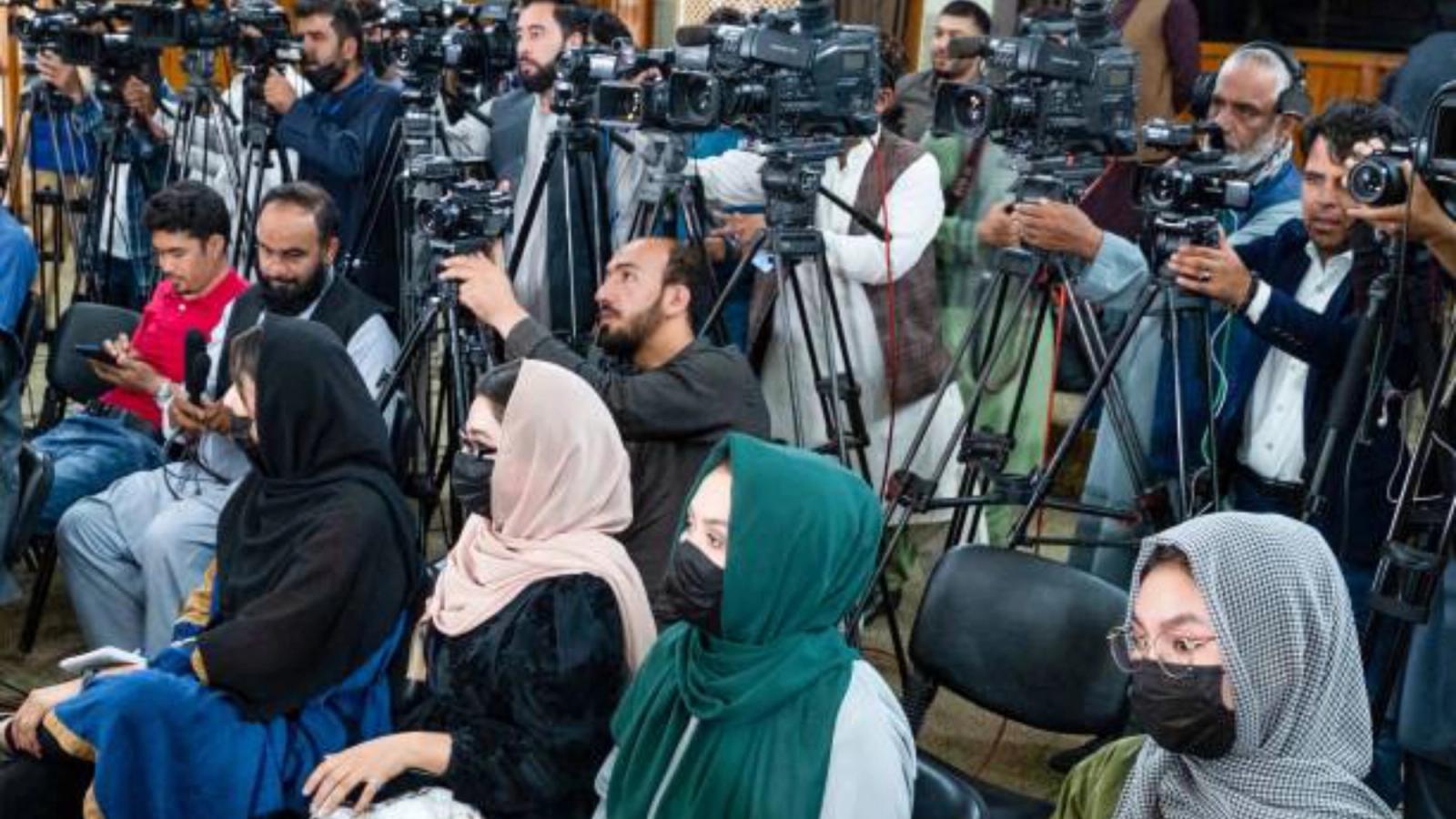
Kabul — Journalists in the Afghan capital are raising alarms about the severe restrictions on information and the high level of media censorship in the country.
In recent interviews, these journalists described how media suppression and the practice of self-censorship have caused many important events to go unreported, keeping the public in the dark about significant developments.
They noted that while some individuals are taking the initiative to share information with media outlets in exile, the majority of such events still do not receive any media coverage.
The journalists explained that local media outlets are restricted to only publishing material that has been approved by the Taliban.
One of the journalists interviewed pointed out the decline in investigative journalism, stating that media organizations are now limited to releasing content that the Taliban approve of and are prohibited from conducting any investigations into matters related to social issues, the economy, politics or security.
These concerns are being raised at a time when the Taliban have been enforcing tight controls on the media for the past four and a half years. During this period, the group has not only placed various restrictions on media activities but has also turned criticism of the Taliban into a criminal act.
The statements reflect the ongoing challenges for independent journalism in Afghanistan.
Read the original reporting at Hasht-e Subh →
Reliability assessment
Single source with direct attribution to interviews with journalists (specific date of Thursday 6 Hamal provided); core claims of journalists expressing these concerns are presented with concrete context. Single-source stories with this level of attribution qualify as reliable per guidelines; no contradicting sources available.
The source language mixes facts with framing or advocacy wording. Hasht-e Subh: "severe restrictions on information and media censorship are worrisome", "severe suppression of media and self-censorship", "many bitter and important events remain hidden". These phrases introduce emotional concern, negative framing of suppression, and value judgments about events being 'bitter' to portray the situation as alarming.
Independent web corroboration
An independent web search turned up no separate corroborating reports. Treat the account as single-sourced until more outlets pick it up.
Across the newsrooms
Filed by
Hasht-e Subh
Originating
Framed
Framed
Filed under
Politics — Media Censorship, Journalists, Taliban Restrictions, Freedom of Press, Information Access
Reader supported
Keep Ehtebar running
Every published story uses paid tools to translate reporting, compare sources, extract claims, and produce a clearer read on Afghanistan. Reader support helps keep that work independent.
€5
helps cover daily verification runs
€15
supports a week of source comparison
€50
keeps independent analysis moving
More in Politics

Islamic Emirate Leader Orders 21 New Appointments Across Government Posts
— Reliable
Discussion Held on Presenting Achievements of Government Program in Media
— Reliable
Supreme Court of the Islamic Emirate of Afghanistan Outlines Judicial Reforms and Achievements
— Unverified
Ministry of Information and Culture of the Islamic Emirate of Afghanistan Announces Annual Activities and Achievements
— Reliable