
SOCIETY — February 22, 2026
Kabul Residents Criticize YouTubers for Filming Aid to Needy Without Respecting Privacy
Kabul residents condemn YouTubers for filming aid distributions to beggars and needy people during Ramadan without privacy, accusing them of exploiting dignity for online views and income.
The Ehtebar Desk — originates with Hasht-e Subh — 2 min read
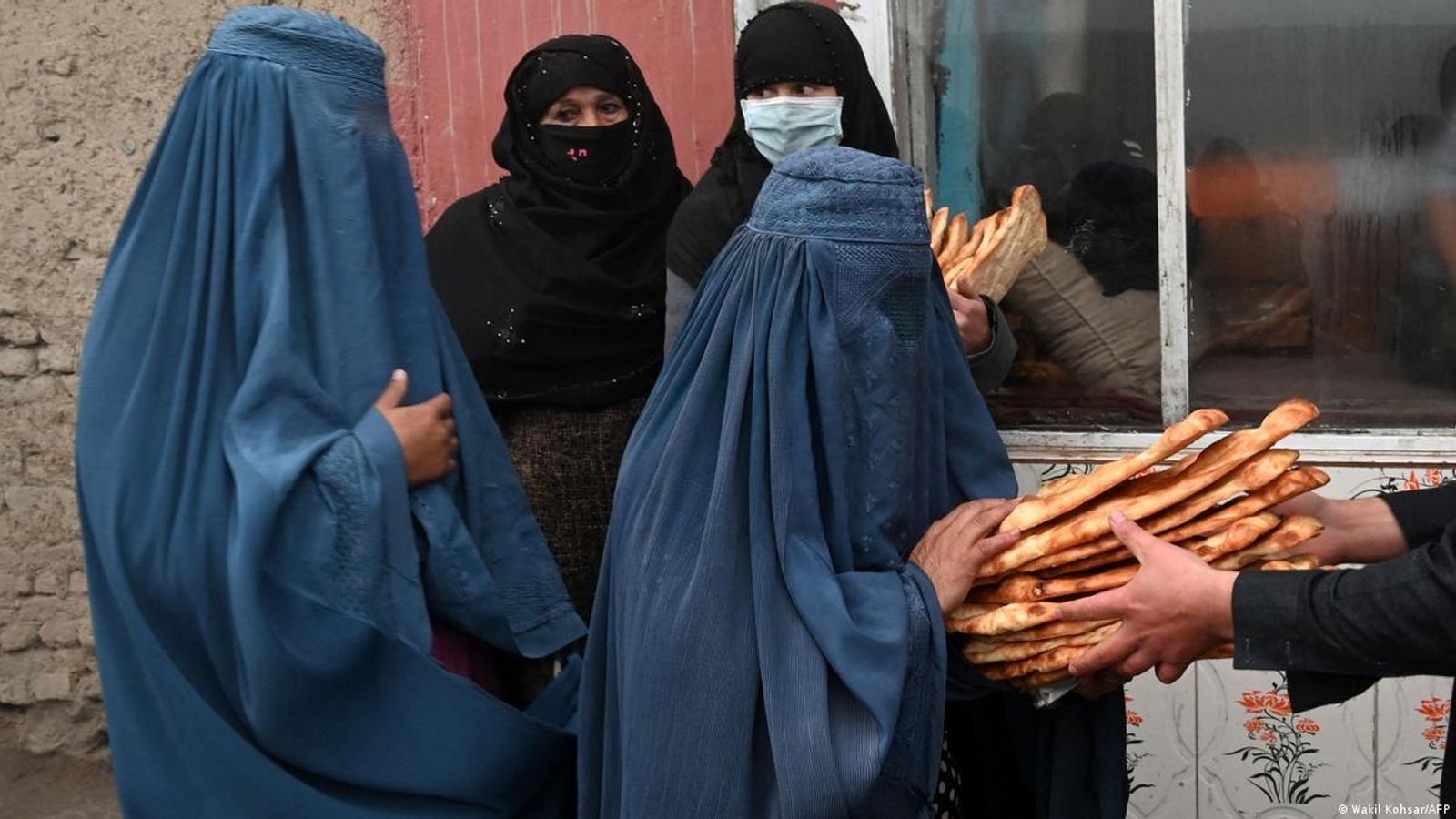
Residents of Kabul have criticized some YouTubers for distributing aid to beggars and needy individuals without respecting their privacy, particularly as Ramadan begins.
They argue that these YouTubers exploit the difficult living conditions of the needy to produce content for views and income on platforms like YouTube. Residents emphasized that aid should preserve the human dignity and self-respect of recipients, without widely publishing images and videos.
Ahsen, a Kabul resident, said YouTubers use needy people and beggars as a source of income by filming them without regard for privacy or dignity. He added, "Taking photos and videos of these needy individuals is very wrong and should not be done, as it affects their mindset and psyche. It's unbelievable that people exploit this situation."
Khalil, another resident, noted that widespread sharing of such images deters genuinely needy people from accepting help due to fear of being seen. He said YouTubers prioritize likes, comments, and revenue over any boundaries, and that in Afghanistan, aid often becomes performative, undermining trust in genuine efforts. Khalil described how YouTubers surprise needy households with cameras, trampling their pride and privacy, even making relatives witness their hardship.
Abdulhamid Sorush accused some YouTubers of violating recipients' dignity for followers and likes, exploiting them for personal gain and sometimes failing to deliver real aid. He stressed that aid should be discreet, without public display for attention.
Asadullah, another resident, said YouTubers operating under Taliban control violate journalism principles, lacking professionalism and invading privacy. He noted that easy YouTube channel creation allows non-professionals to harm dignity, potentially opening avenues for complaints.
Sahl, a pseudonym for a YouTube channel employee, claimed some YouTubers pocket much of the aid, including donations sent from abroad with good intentions, instead of delivering it to the needy.
Read the original reporting at Hasht-e Subh →
Reliability assessment
Single source with direct, on-record quotes from multiple named Kabul residents (Ahsen, Khalil, Abdulhamid Sorush, Asadullah) and one pseudonymous insider (Sahl), providing concrete details on observed practices in Kabul during Ramadan.
The source language mixes facts with framing or advocacy wording. Phrases like 'the dignity of the needy is sacrificed under the cameras of YouTubers' (title), 'exploitation of the needy' (repeated in quotes and body), and 'under the control of the Taliban' (Asadullah quote) use emotional framing of violation and political criticism to charge the narrative with advocacy against the practice.
Across the newsrooms
Filed by
Hasht-e Subh
Originating
Filed under
Society — Kabul, YouTubers, Aid distribution, Ramadan, Privacy
Reader supported
Keep Ehtebar running
Every published story uses paid tools to translate reporting, compare sources, extract claims, and produce a clearer read on Afghanistan. Reader support helps keep that work independent.
€5
helps cover daily verification runs
€15
supports a week of source comparison
€50
keeps independent analysis moving
More in Society
Health Officials and Experts Discuss Rise in Black Jaundice Cases in Afghanistan
— Reliable
Discussion on Agricultural Products and Health Services in Samangan Province
— Reliable
WHO Report Cites Taliban Restrictions and Funding Shortfalls as Threats to Health Services in Afghanistan
— Reliable
Afghan officials report returns of families from Pakistan and Iran alongside releases from Pakistani prisons
— Reliable