
SOCIETY — February 16, 2026
Lack of Awareness and Facilities Delays Uterine Cancer Diagnosis in Nimroz
Uterine cancer diagnoses are delayed in Afghanistan's Nimroz province due to low awareness, lack of diagnostic facilities and specialists, specialists say. Early detection is treatable, but women often seek care abroad or present at advanced stages.
The Ehtebar Desk — originates with Pajhwok — 2 min read
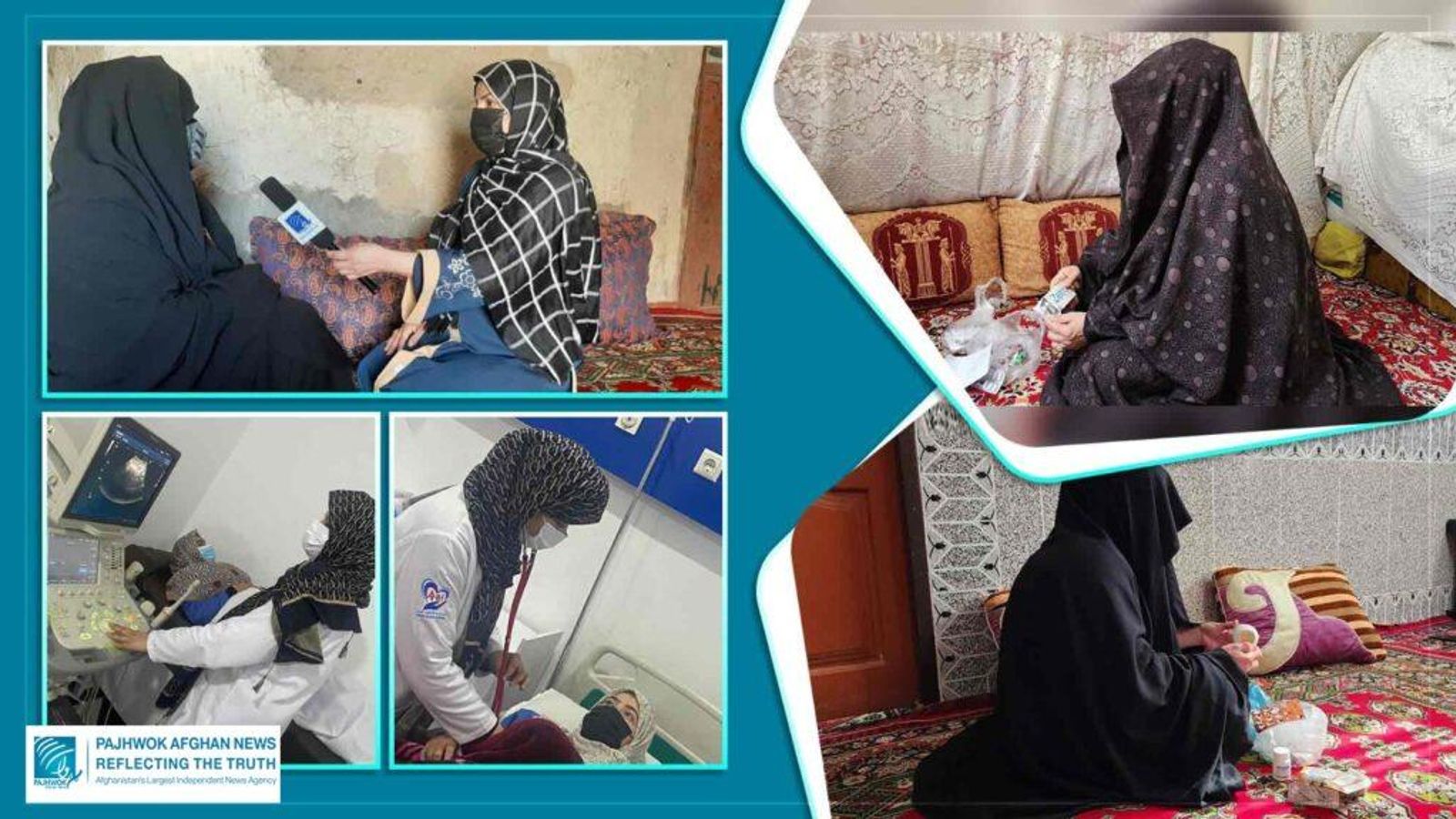
ZARANJ, Afghanistan (Afghan Verified) -- Obstetrics and gynecology specialists say uterine cancer is a "silent" disease among women, with many cases in northwestern Nimroz province diagnosed late due to limited awareness, insufficient diagnostic facilities and a shortage of specialists in remote areas.
Dr. Jeon Rahmati, an obstetrics and gynecology specialist in Nimroz, told Pajhwok Afghan News that the cancer develops when cells lining the uterus grow excessively due to high estrogen and low progesterone levels. Risk factors include obesity, lack of pregnancies, early or late menstruation, and unsupervised hormonal medications, primarily affecting women over 50. Symptoms such as abnormal bleeding, lower abdominal pain and unexplained weight loss are often ignored in remote areas due to fear or shame, she said.
Diagnosis requires ultrasound and endometrial biopsy, but such facilities are unavailable in many Nimroz districts and even the provincial capital, forcing women to travel elsewhere, Dr. Rahmati explained. She urged maintaining healthy weight, exercise and prompt medical consultation post-menopause, noting low awareness contributes to advanced-stage diagnoses.
Dr. Farzana Durani, an obstetrics and gynecology specialist in Kabul, confirmed uterine cancer's commonality among women and its treatability if detected early via ultrasound, biopsy or MRI. She advised taking abnormal bleeding seriously and regular check-ups.
Samana Mohammadi, 48, from Zaranj, experienced heavy bleeding and pain, diagnosed and treated successfully in Pakistan after failed attempts in Nimroz and Kabul. She called for better local facilities amid high foreign treatment costs.
Fereshta, 38, also from Zaranj, reported severe pain and bleeding at the provincial hospital, where doctors suspected a uterine tumor. She appealed for diagnostic and treatment centers, citing inability to afford care.
Pajhwok reporters could not obtain comment from Nimroz's provincial public health directorate. On Jan. 29, the National Cancer Diagnosis and Treatment Hospital opened in Kabul, where Mawlawi Abdul Wali Haqqani, deputy minister of health services, noted past shortages in diagnostics and treatment.
Read the original reporting at Pajhwok →
Reliability assessment
Direct, on-record quotes from named specialists (Dr. Jeon Rahmati, Dr. Farzana Durani) with concrete details on symptoms, risks, diagnosis methods; corroborated by two doctors; personal accounts from named individuals; not high-stakes or volatile.
Across the newsrooms
Filed by
Pajhwok
Originating
Filed under
Society — Nimroz, uterine cancer, women's health, healthcare facilities, Zaranj
Reader supported
Keep Ehtebar running
Every published story uses paid tools to translate reporting, compare sources, extract claims, and produce a clearer read on Afghanistan. Reader support helps keep that work independent.
€5
helps cover daily verification runs
€15
supports a week of source comparison
€50
keeps independent analysis moving
More in Society

Health Officials and Experts Discuss Rise in Black Jaundice Cases in Afghanistan
— Reliable

Discussion on Agricultural Products and Health Services in Samangan Province
— Reliable
WHO Report Cites Taliban Restrictions and Funding Shortfalls as Threats to Health Services in Afghanistan
— Reliable
Afghan officials report returns of families from Pakistan and Iran alongside releases from Pakistani prisons
— Reliable