
SOCIETY — February 24, 2026
Mothers in Kabul call for expansion of malnutrition treatment services
Mothers of malnourished children in Kabul praise existing treatment services but urge expansion, as the Ministry of Public Health reports treating nearly 3 million cases in 2025.
The Ehtebar Desk — originates with Pajhwok — 2 min read
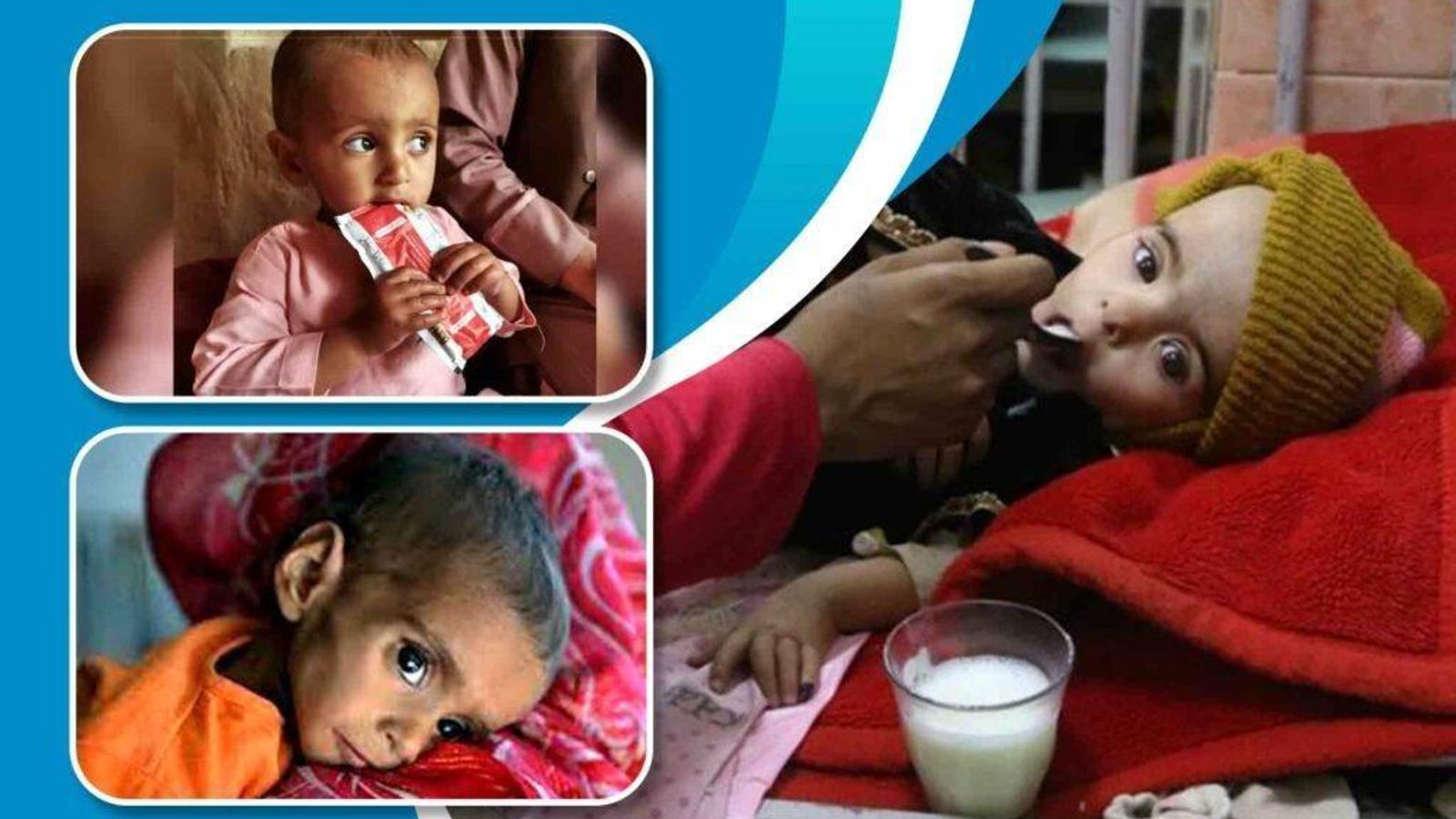
KABUL (Pajhwok) -- Several mothers of malnourished children in Kabul have welcomed services at health centers treating malnutrition but called for their expansion amid ongoing economic hardships.
Golchehreh, mother of three malnourished children whose husband works as a day laborer, said her family often eats only dry bread with sweet tea or nothing at all. She praised the weekly nutritional supplements provided at a distribution center, noting her child has gained strength since starting treatment.
Afsaneh Naqibi, a Kabul resident, took her daughter to a malnutrition treatment center in Khairkhana after noticing weight loss at daycare. Over six visits, the girl received Arnutif supplements, weight and height checks, and maternal advice, leading to improvement. Naqibi commended the services and urged the Ministry of Public Health to expand them.
Khajeste from Taymani said her four-year-old daughter's weight rose from 11 kg to 14.5 kg after six months of treatment at a clinic. She called on the Islamic Emirate to pay more attention to malnourished children and broaden programs.
Zarmineh from Kart-e Now, suffering from anemia after surgeries for her three children, complained of poor diet during pregnancy due to economic woes. She also demanded more centers for women and children.
Prof. Dr. Mohammad Aref Hassanzai, head of internal medicine at Kabul's Indira Gandhi Child Health Institute, explained malnutrition occurs from imbalanced intake of food, energy, proteins, vitamins, and minerals, leading to health disruptions. Symptoms in children include severe weight loss, stunted growth, edema, lethargy, hair loss, skin issues, and pallor. Types include wasting (skin and bones), edema-related obesity, and mixed severe wasting with limb swelling.
Dr. Sharaf Zaman, Ministry of Public Health spokesperson, told Pajhwok that early 2025 estimates from foreign agencies put malnourished children and pregnant women at 3.7 million, but by year's end, nearly 3 million were treated at 3,200 health sites nationwide.
Read the original reporting at Pajhwok →
Reliability assessment
Single source with direct on-record attributions to named officials (Dr. Sharaf Zaman, Prof. Dr. Mohammad Aref Hassanzai) and witnesses, including concrete details like treatment numbers (nearly 3 million at 3,200 sites), specific locations (Khairkhana, Taymani, Kart-e Now), and measurable outcomes (weight gains). Not high-stakes or volatile.
The source language reads straight.
Across the newsrooms
Filed by
Pajhwok
Originating
Filed under
Society — malnutrition, Kabul, Ministry of Public Health, children, Islamic Emirate
Reader supported
Keep Ehtebar running
Every published story uses paid tools to translate reporting, compare sources, extract claims, and produce a clearer read on Afghanistan. Reader support helps keep that work independent.
€5
helps cover daily verification runs
€15
supports a week of source comparison
€50
keeps independent analysis moving
More in Society
Health Officials and Experts Discuss Rise in Black Jaundice Cases in Afghanistan
— Reliable
Discussion on Agricultural Products and Health Services in Samangan Province
— Reliable
WHO Report Cites Taliban Restrictions and Funding Shortfalls as Threats to Health Services in Afghanistan
— Reliable
Afghan officials report returns of families from Pakistan and Iran alongside releases from Pakistani prisons
— Reliable