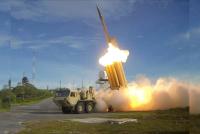
INTERNATIONAL — April 14, 2026
NATO Allies Decline to Join US Naval Blockade of Iranian Ports
The US has launched a naval blockade on Iranian ports amid regional tensions, with President Trump threatening Iranian vessels. NATO allies including the UK and France have declined to join, while proposing post-conflict security plans for the Strait of Hormuz.
The Ehtebar Desk — originates with Khaama Press — corroborated by RTA — 2 min read
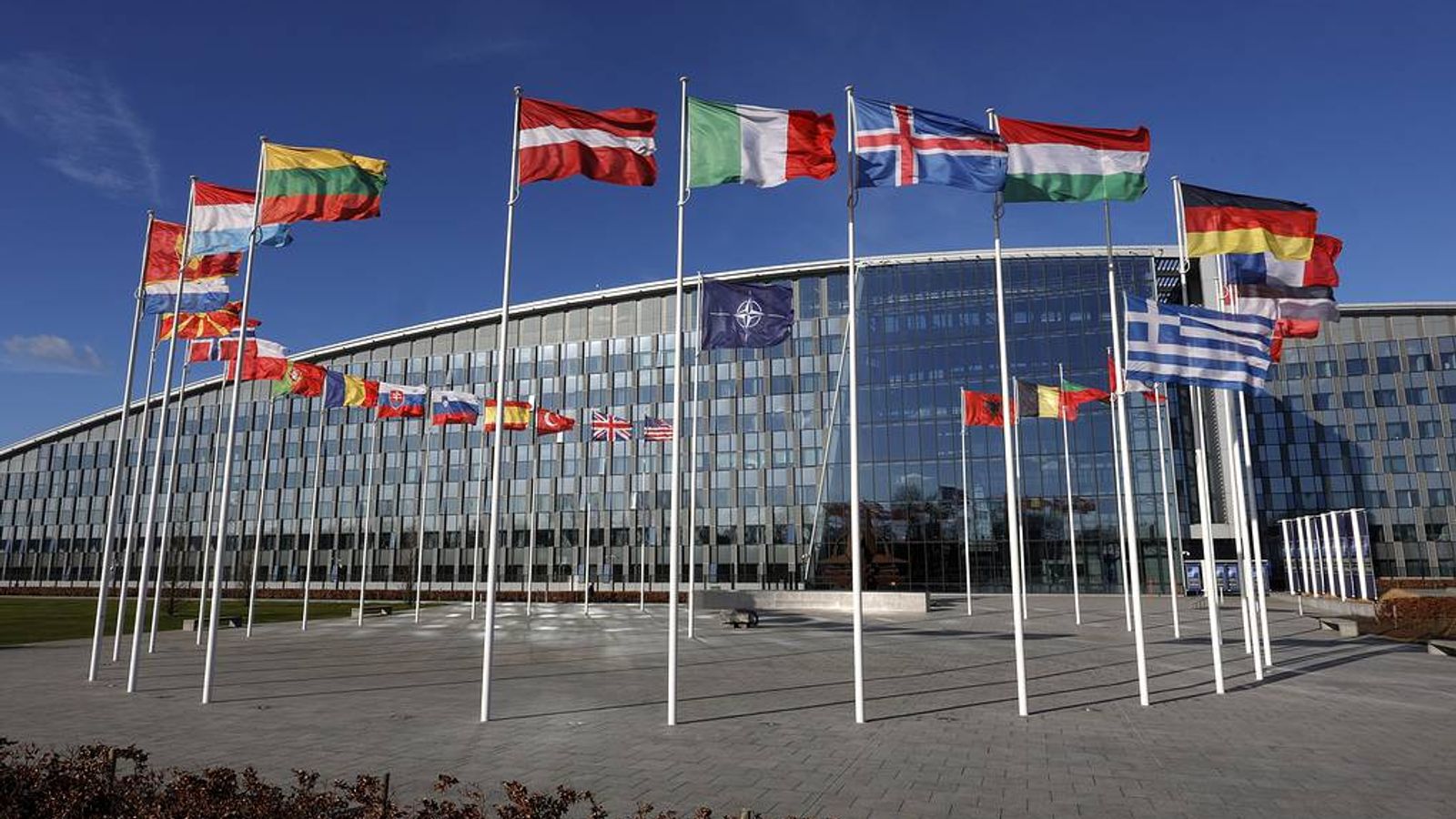
The United States has begun enforcing a naval blockade on Iranian ports and vessels linked to Iran, amid escalating tensions in the Strait of Hormuz stemming from conflict involving the US, Israel and Iran.
US President Donald Trump threatened to immediately destroy any Iranian vessels approaching the blockade zone, according to statements reported on Monday. The blockade focuses on ships heading to Iranian ports based on a set deadline.
NATO allies, including the UK and France, have declined to participate in the US-led operation. UK Prime Minister Keir Starmer stated that Britain will not support the blockade. French President Emmanuel Macron proposed a post-conflict multinational mission to secure maritime navigation in the Strait of Hormuz. NATO Secretary General Mark Rutte discussed a potential coordinated role for around 30 countries in a post-conflict security plan.
Iran warned that no ports in the Persian Gulf or Sea of Oman would be safe if its ports are threatened, according to RTA. Discussions for the post-conflict Hormuz security plan are underway, as reported by Khaama Press.
Read the original reporting at Khaama Press →
Reliability assessment
2 independent sources corroborate the core event of the US beginning a blockade on Iranian ports and NATO declining to join; Khaama Press provides direct on-record statements from named officials (Starmer, Macron, Rutte).
The source language reads straight.
Across the newsrooms
Where reports agree
- US began enforcing a blockade on Iranian ports/vessels on or around April 14, 2026
- Donald Trump proposed the blockade and threatened Iranian ships
- NATO allies declined to participate in the US-led blockade
- Strait of Hormuz is a critical maritime route amid escalating tensions
Where reports differ
- Specific details on allied leaders' statements (e.g., Starmer, Macron, Rutte) only in Khaama Press
- Iran's warning only in RTA
- Khaama Press mentions post-conflict security plans; RTA does not
Filed by 2 outlets
Khaama Press
Originating
Reported straight
Reported straight
RTA
Reported straight
Reported straight
Filed under
International — NATO, United States, Iran, Donald Trump, Strait of Hormuz
Reader supported
Keep Ehtebar running
Every published story uses paid tools to translate reporting, compare sources, extract claims, and produce a clearer read on Afghanistan. Reader support helps keep that work independent.
€5
helps cover daily verification runs
€15
supports a week of source comparison
€50
keeps independent analysis moving