INTERNATIONAL — April 11, 2026
New York Times: Most Ships in Strait of Hormuz Halted Amid Fears of Iranian Attacks
The New York Times reports that most ships in the Strait of Hormuz remain halted due to fears of Iranian attacks, with only two passing on Friday, the lowest since the US-Iran ceasefire. The situation has reduced oil and gas supplies to global markets, driving up prices of gasoline and cooking gas.
The Ehtebar Desk — originates with Amu TV — corroborated by Khaama Press — 2 min read
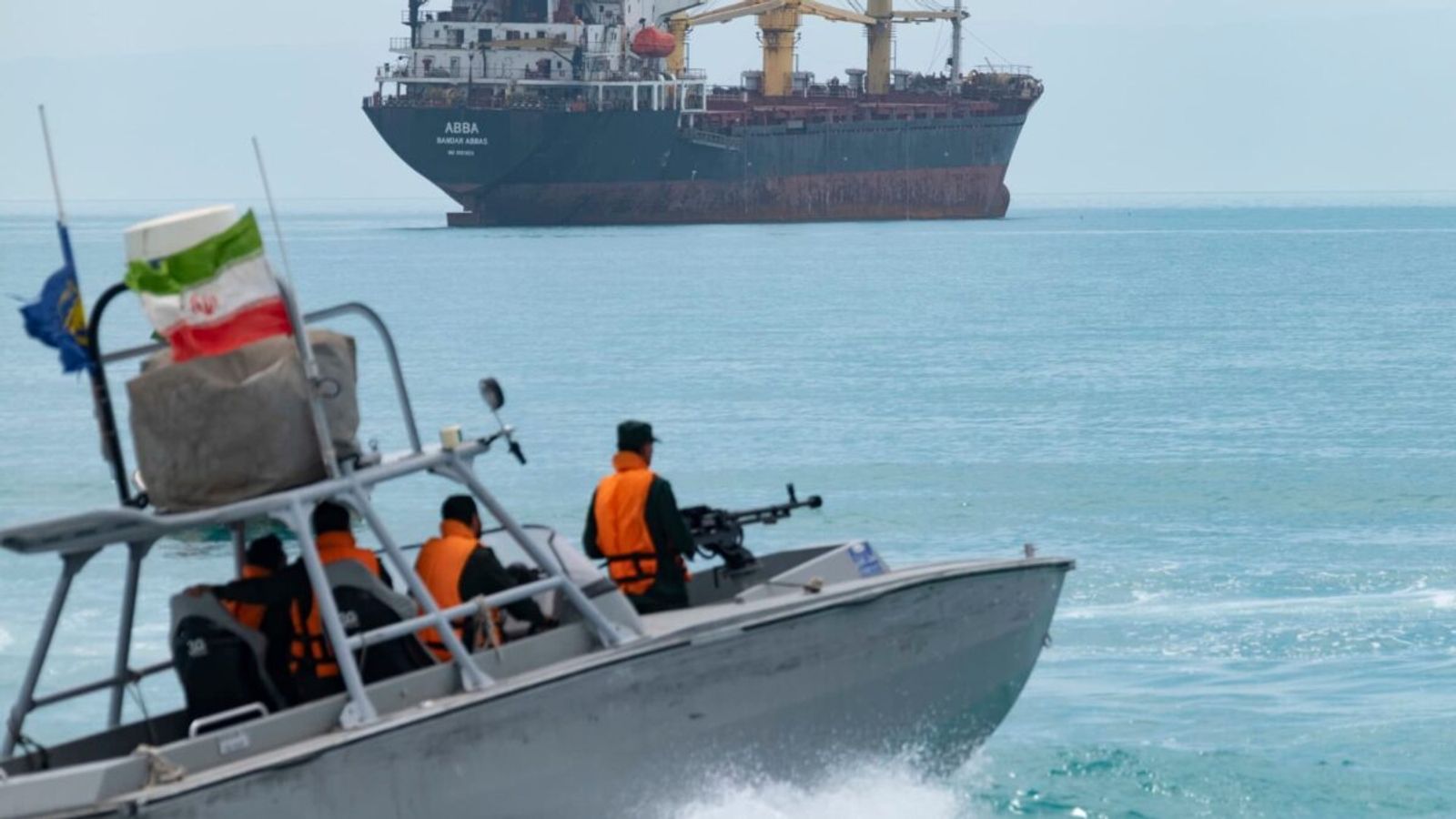
DUBAI (Afghan Verified) — Most ships in the Strait of Hormuz remain stopped due to fears of Iranian attacks, according to the New York Times.
Only two ships passed through the strait on Friday, the lowest number since the US-Iran ceasefire. On Wednesday and Thursday, four ships transited each day. Hundreds of vessels are waiting on both sides of the strait.
Shipping companies are avoiding the passage out of concern for potential Iranian attacks on ships and port facilities during the war. Iran requires vessels to coordinate voyages with its army and issues limited permits. Recent passages have mostly involved Iranian ships or those granted permission after negotiations, the New York Times reported.
Before the war, approximately 120 ships passed through the strait daily, carrying about one-quarter of the world's oil and one-fifth of its natural gas.
The disruption has caused a sharp decline in oil and gas supplies to global markets, leading to higher prices for essentials such as gasoline and cooking gas.
Read the original reporting at Amu TV →
Reliability assessment
Directly attributed to New York Times with concrete details (e.g., only two ships passed on Friday, lowest since US-Iran ceasefire); corroborated by two additional outlets (Amu TV, Khaama Press).
The source language reads straight.
Independent web corroboration
A separate web search returned 8 matching reports. A selection:
- After Iran Cease-Fire, Ship Traffic in Strait of Hormuz Remains Throttled - The New York Timesnytimes.com
There were few signs on Wednesday of a large-scale return of shipping through the Strait of Hormuz, after Iran and the United States said they would work to move vessels through the crucial waterway as part of their cease-fire agreement. Shipping traffic could increase, experts said, if the vessels’ operators concluded that the terms of making the passage were clear and the risks of attacks were reduced.
Hundreds of tankers carrying oil and other vital commodities are still waiting to transit Hormuz, the New York Times reports. Their operators and captains remain unclear on how to get through without risking Iranian attack.
By 17:00 BST on 10 April only 19 ships had been tracked passing through the strait since the ceasefire. However, vessels in the area have received messages that they would be "targeted and destroyed" if they attempted to cross the strait without permission, and only a few ships have made the journey over the past three days.
Across the newsrooms
Filed by 2 outlets
Amu TV
Originating
Reported straight
Reported straight
Khaama Press
Reported straight
Reported straight
Filed under
International — Strait of Hormuz, Iran, New York Times, US-Iran ceasefire, oil prices
Reader supported
Keep Ehtebar running
Every published story uses paid tools to translate reporting, compare sources, extract claims, and produce a clearer read on Afghanistan. Reader support helps keep that work independent.
€5
helps cover daily verification runs
€15
supports a week of source comparison
€50
keeps independent analysis moving