
SOCIETY — March 10, 2026
Personal Account Describes Closure of Girls' Learning Center in Afghanistan
A Hasht-e Subh personal narrative recounts the sudden shutdown of a Pritafal girls' learning center, highlighting despair among students and teachers amid repeated closures.
The Ehtebar Desk — originates with Hasht-e Subh — 2 min read
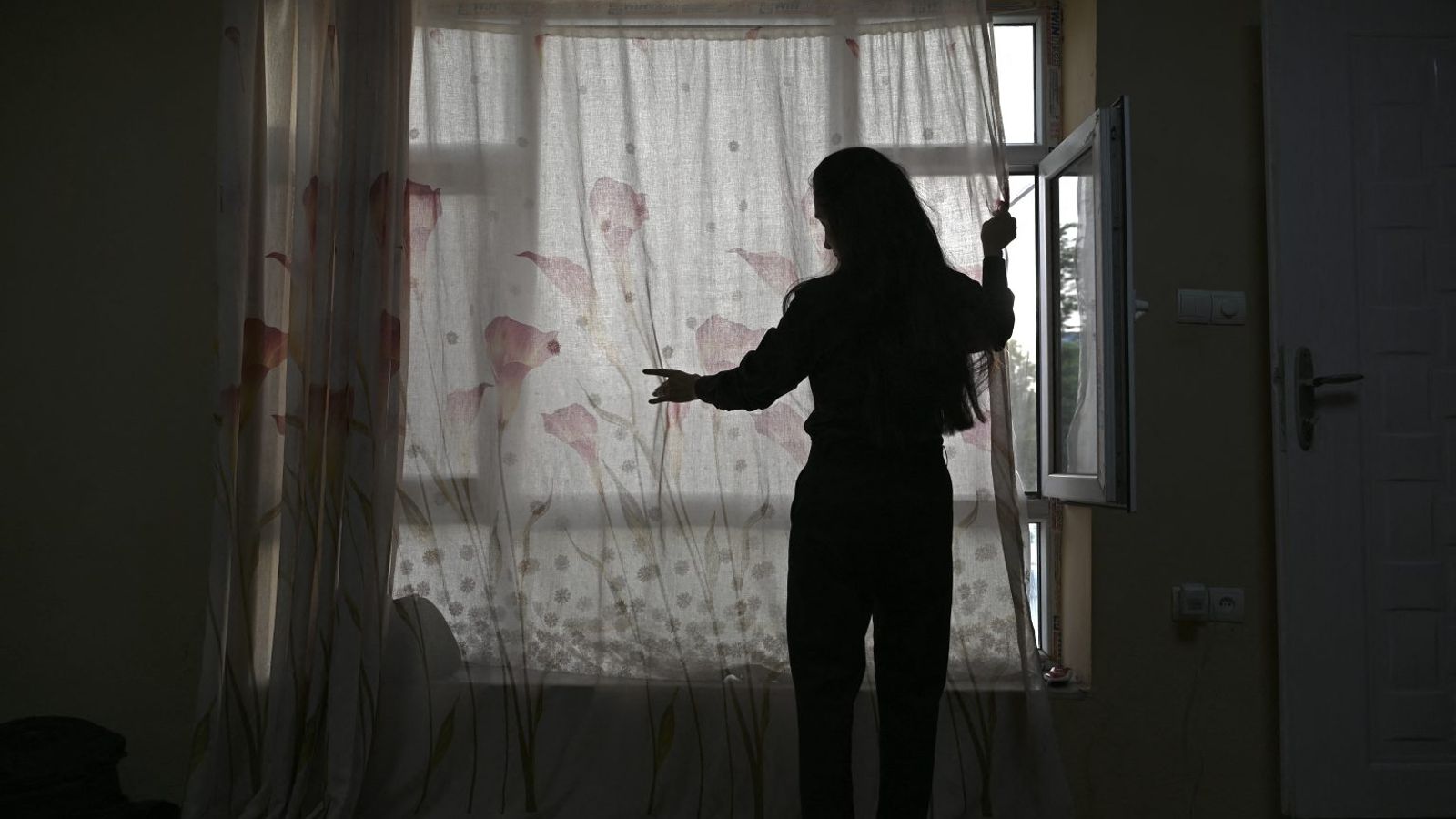
A first-person account published by Hasht-e Subh details an incident at a Pritafal learning center where female students were discussing a scientific topic during their third month of classes. The narrator describes how, on a Tuesday afternoon, commotion outside went unnoticed until the teacher was called out, leading to a heavy silence among the students.
The students understood this mirrored the school closures three years prior. The teacher initially reassured them that 'these people come and go every time,' but her trembling voice indicated otherwise. Previous winter incidents had led to temporary closures of at least two months, after which centers reopened. However, sounds from outside and fear in the teacher's eyes suggested this instance differed.
The teacher later instructed the girls to leave quickly. Outside, many girls gathered at the door, reminiscent of a prior summer protest that prevented closure, though fewer resisted this time amid fear. The narrator waited for family, overhearing teachers express distress over lost teaching income, describing it as a 'horrible disaster' affecting both students and instructors.
The family arrived amid locked front doors, forcing exit through a back route: a long corridor, stairs, ruins, and another corridor, likened to a 'tunnel of horror.' The narrator's father waited outside; it was the last time she left the center. Passing the street now evokes thoughts of despairing girls who sought to learn a new language for progress but faced repeated hope denial, condemned to silence.
The account questions if 'this disaster' will ever end, protesting the closures.
Read the original reporting at Hasht-e Subh →
Reliability assessment
Single first-person anecdotal account lacking concrete, checkable details such as specific location, exact date, named center, or official statements; no corroboration from other sources.
The source language mixes facts with framing or advocacy wording. Employs emotional framing like 'disaster' (فاجعه), 'horrible disaster,' 'oppression' (ظلم), and 'tunnel of horror' to evoke sympathy and protest the closures, blending personal experience with advocacy language.
Across the newsrooms
Filed by
Hasht-e Subh
Originating
Filed under
Society — girls' education, Pritafal, learning centers, women's rights, Afghanistan
Reader supported
Keep Ehtebar running
Every published story uses paid tools to translate reporting, compare sources, extract claims, and produce a clearer read on Afghanistan. Reader support helps keep that work independent.
€5
helps cover daily verification runs
€15
supports a week of source comparison
€50
keeps independent analysis moving
More in Society
Health Officials and Experts Discuss Rise in Black Jaundice Cases in Afghanistan
— Reliable

Discussion on Agricultural Products and Health Services in Samangan Province
— Reliable
WHO Report Cites Taliban Restrictions and Funding Shortfalls as Threats to Health Services in Afghanistan
— Reliable
Afghan officials report returns of families from Pakistan and Iran alongside releases from Pakistani prisons
— Reliable