
ECONOMY — June 29, 2026
Petrol prices rise nearly 14 percent in Kabul
The cost per litre has gone up from 66 to 75 afghanis in recent days, adding pressure on households and businesses during Afghanistan's humanitarian crisis marked by high unemployment and poverty deepened by restrictions on women and girls.
The Ehtebar Desk — originates with Khaama Press — 2 min read
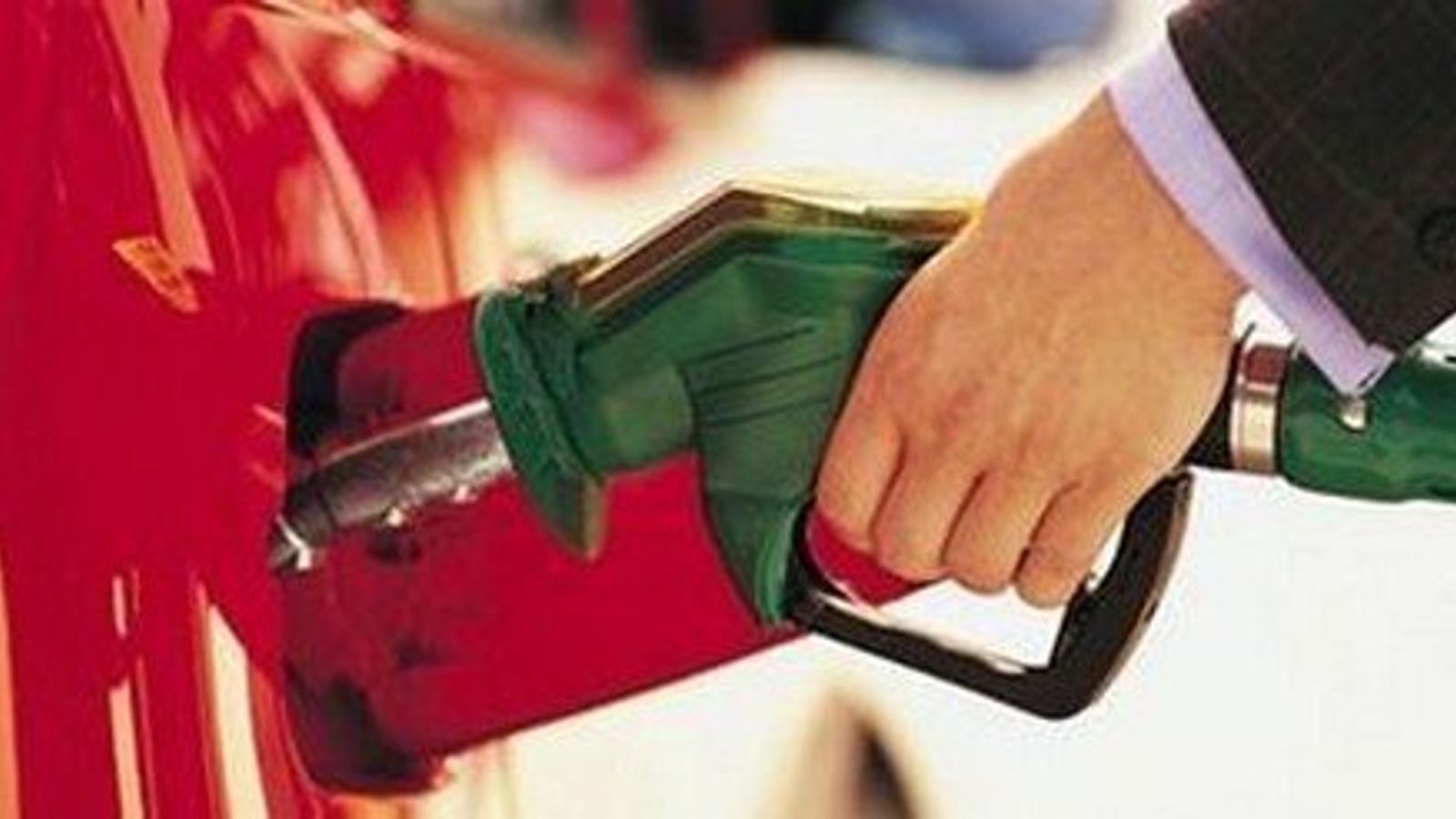
Petrol prices in Kabul have risen sharply in recent days, with the cost per litre increasing from 66 afghanis to 75 afghanis. This change amounts to a nearly 14 percent increase and has pushed up expenses for many in the city.
The higher fuel costs are affecting households, transport operators and businesses alike. Daily living expenses have grown, while transportation fees and operational costs for commercial activities have also climbed.
Afghanistan relies on imported fuel that mainly comes through Iran and the Central Asian republics. Disruptions in regional trade, increased transportation expenses and supply limitations have played a role in the recent price changes.
The country is dealing with a severe humanitarian crisis alongside high unemployment and falling incomes. Food prices have been rising as well. Restrictions imposed by the Taliban on women and girls, together with lower levels of international aid, have worsened poverty and limited opportunities for economic growth.
Residents in Kabul and aid organizations have voiced worries about the additional pressures these fuel price increases place on an already difficult situation.
Read the original reporting at Khaama Press →
Reliability assessment
Single source provides concrete, checkable details on the specific price change (66 to 75 afghanis) and market observations in Kabul; core event of the price jump is directly reported with attributable context.
The source language mixes facts with framing or advocacy wording. Khaama Press: "adding to financial pressure", "mounting economic challenges", "severe humanitarian crises", "sweeping restrictions imposed by the Taliban" – these phrases frame the price rise with emotional and opinionated language linking it to broader crisis and blame on restrictions rather than neutral reporting.
Independent web corroboration
A separate web search returned 8 matching reports. A selection:
On Sunday, June 28, the price of one liter of gasoline increased from 66 afghanis to 75 afghanis, significantly ...
Across the newsrooms
Filed by
Khaama Press
Originating
Framed
Framed
Filed under
Economy — Kabul, fuel prices, petrol, economic crisis, Afghanistan
Reader supported
Keep Ehtebar running
Every published story uses paid tools to translate reporting, compare sources, extract claims, and produce a clearer read on Afghanistan. Reader support helps keep that work independent.
€5
helps cover daily verification runs
€15
supports a week of source comparison
€50
keeps independent analysis moving
More in Economy
Economic Commission Approves 37 Domestic Standards and 12 Testing Methods
— Reliable

Taliban Governor Says Around 700 Mines Under Extraction in Panjshir
— Reliable
Daily Production at Baghlan's Ghori Cement Factory Increases to 700 Tons
— Reliable

Two Irrigation and Flood-Prevention Projects Completed in Zabul
— Reliable