
SOCIETY — February 14, 2026
Researchers Warn of Significant Temperature Increase in Afghanistan and Other Countries
Researchers from the University of East Anglia predict up to 2 degrees Celsius warming by 2050 in Afghanistan and other countries, potentially making some areas unlivable, with cities heating faster than surroundings.
The Ehtebar Desk — originates with Afghanistan International — 2 min read
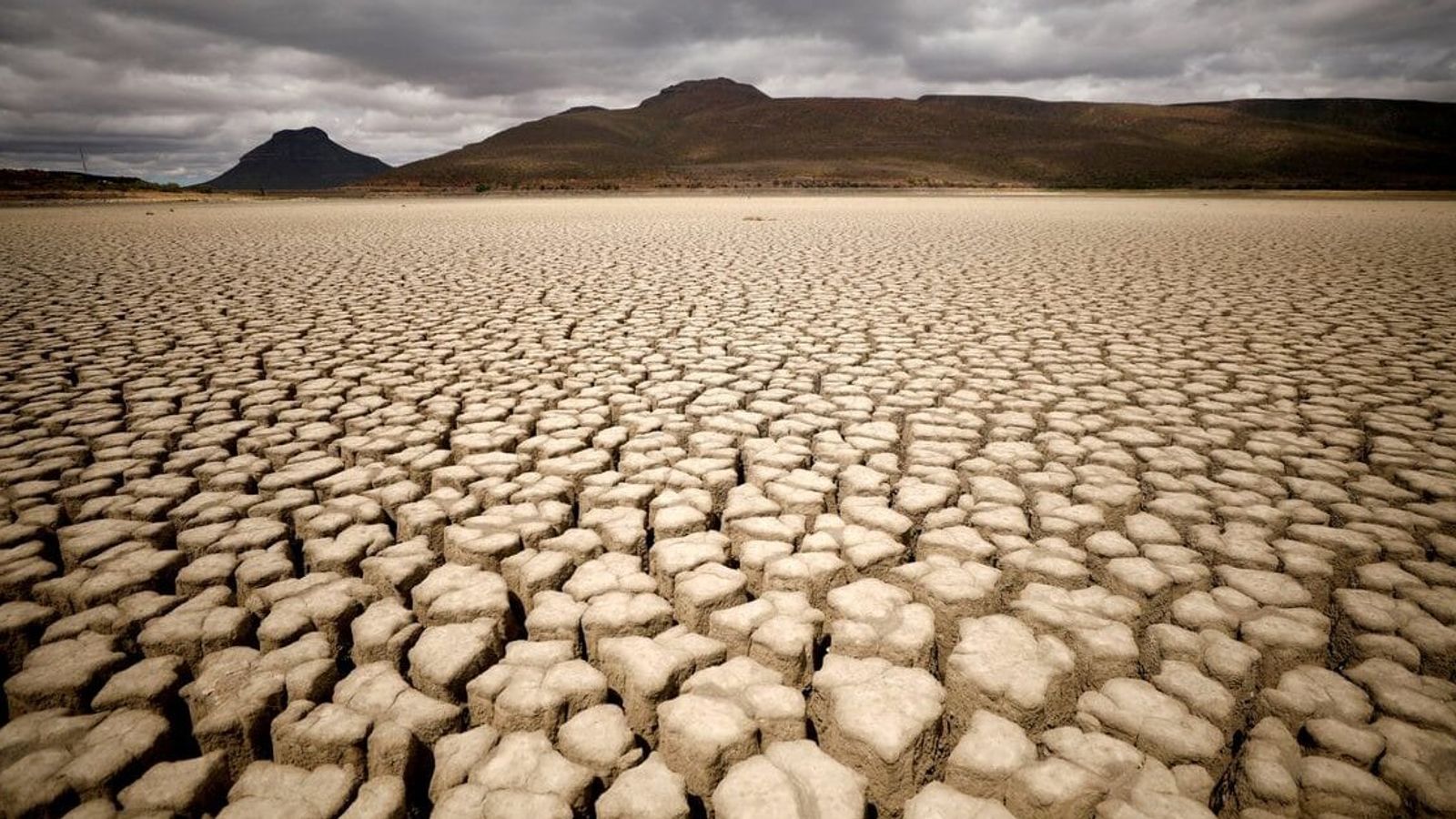
Researchers at the University of East Anglia in Britain have found that by 2050 or even earlier, warming levels in some countries, including Afghanistan, could rise by up to 2 degrees Celsius, a level that could make living in certain areas difficult or impossible.
The study examined weather trends, greenhouse gas emissions, and environmental factors, including biodiversity, across 104 cities worldwide. Findings indicate that cities in tropical and subtropical climates will be hit hardest, with at least 81% warming much faster than surrounding urban areas under a predicted 2-degree Celsius global increase.
Afghanistan is listed alongside China, India, Egypt, Turkey, Iraq, the United States, Brazil, Morocco, Algeria, Mali, Angola, Mexico, and Thailand. Cities in monsoon-affected regions, such as those in China, India, and parts of West Africa, face heightened risks. Specific cities expected to become particularly harsh in summer include Jalandhar and Patiala in India, Fuyang and Shangqiu in China, Kirkuk in Iraq, and Asyut in Egypt.
Even if global warming is limited to 2 degrees Celsius on average, some cities could exceed 3 degrees. Annual temperatures in these areas may rise nearly 1 degree more than nearby urban zones, with stark effects during summer peaks.
Professor Manoj Joshi of the University of East Anglia stated: "The increase in urban heat levels under climate change is a growing concern." He noted the research supports better planning for future warming's impacts on human health and urban environments, warning of serious health consequences like increased mortality from extreme heat.
The United Nations has previously cautioned that global warming will reach or exceed the 2-degree threshold.
Read the original reporting at Afghanistan International →
Reliability assessment
Single source with direct, on-record attribution to named Professor Manoj Joshi from University of East Anglia, including concrete, checkable details such as the study of 104 specific cities, listed countries, and temperature predictions; climate science projection not high-stakes or volatile.
Across the newsrooms
Filed by
Afghanistan International
Originating
Filed under
Society — Afghanistan, climate change, University of East Anglia, Professor Manoj Joshi, global warming
Reader supported
Keep Ehtebar running
Every published story uses paid tools to translate reporting, compare sources, extract claims, and produce a clearer read on Afghanistan. Reader support helps keep that work independent.
€5
helps cover daily verification runs
€15
supports a week of source comparison
€50
keeps independent analysis moving
More in Society

Health Officials and Experts Discuss Rise in Black Jaundice Cases in Afghanistan
— Reliable

Discussion on Agricultural Products and Health Services in Samangan Province
— Reliable

WHO Report Cites Taliban Restrictions and Funding Shortfalls as Threats to Health Services in Afghanistan
— Reliable

Afghan officials report returns of families from Pakistan and Iran alongside releases from Pakistani prisons
— Reliable