
CULTURE — February 26, 2026
Review of Shiun Sharq's Novel 'No One Survives Tonight' Critiques Patriarchy
Hasht-e Subh reviews Shiun Sharq's recently published novel 'No One Survives Tonight,' which traces the tragic life of protagonist Masihah amid Afghanistan's history while critiquing patriarchal structures.
The Ehtebar Desk — originates with Hasht-e Subh — 2 min read
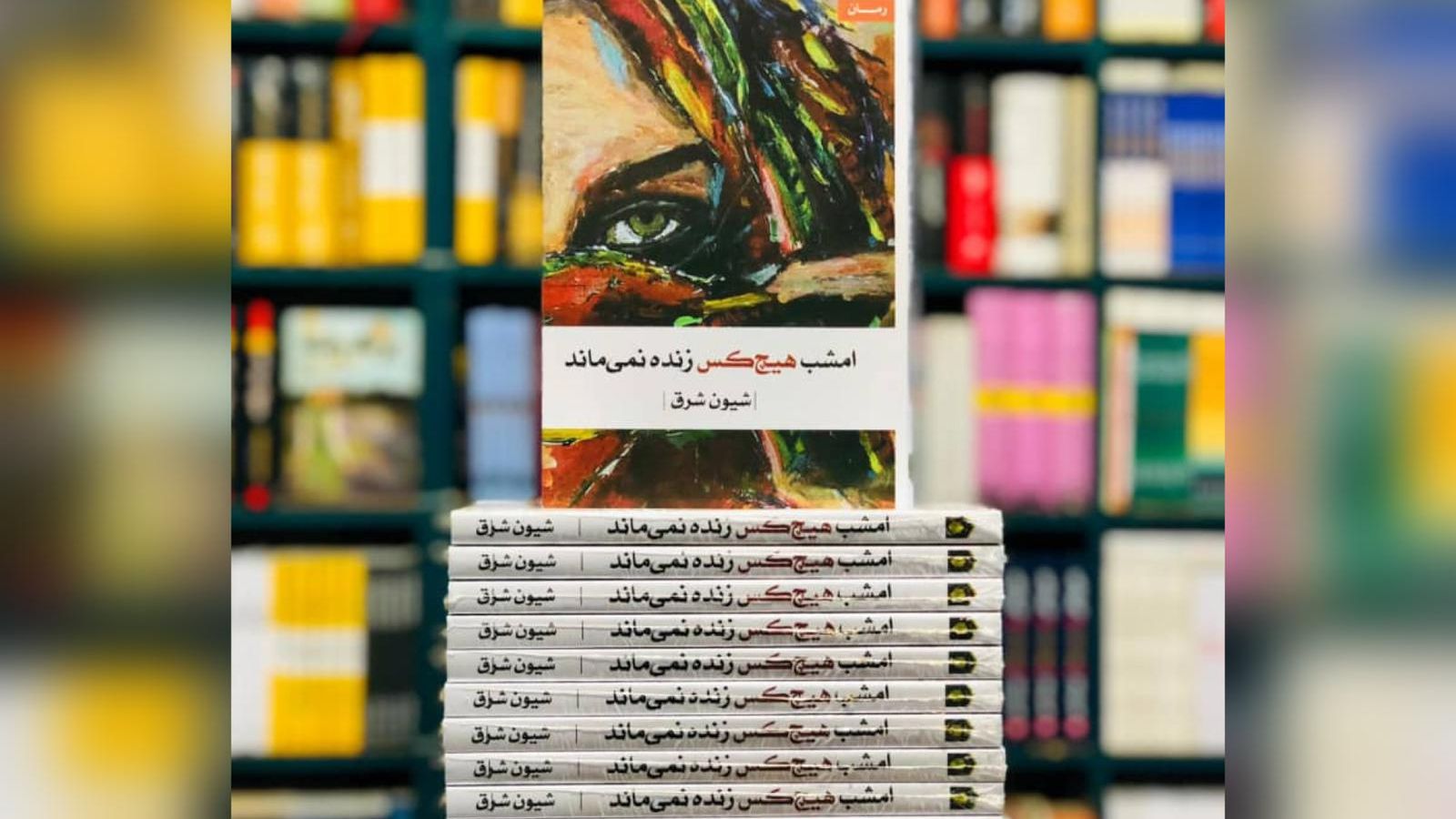
A new novel titled 'No One Survives Tonight' by Shiun Sharq has been published in Kabul by Parand Publications, spanning 252 pages. The book presents a poetic, tragic, and multi-layered narrative of the bitter fate of a woman named Masihah against the backdrop of Afghanistan's turbulent history.
The story intertwines Masihah's personal life with major historical events, including civil wars, the Soviet occupation, poverty, migration, and political instability. Elements such as Kaka Akbar's memories of the Panjshir wars and love letters exchanged amid bombings illustrate these connections.
At its core, the novel offers a critique of patriarchy, portraying women like Masihah, Fazila, Laila, and Mitra as victims marginalized and stripped of agency. Concepts such as 'kinchni,' 'namus,' and 'luck' serve as tools for control and humiliation. Masihah's mother embodies a complex figure, both victim and enforcer of these norms, as seen in her statement during a marriage proposal: 'I don't have the heart of a lion to hand my daughter over to a stranger,' followed by her compliance.
Masihah is depicted as introspective and questioning, doubting religious beliefs and traditions, such as the story of fire and Abraham, while seeking escape from oppression. Her name symbolizes suffering and unattained salvation.
Key symbols include the khisar tree, a site for forbidden love, past connections, and collective female memories, which eventually dries up; Masihah buries her dead son beneath it.
The prose features poetic imagery, metaphors, short sentences, repetitions, and temporal overlaps, creating a dreamlike, nightmarish atmosphere. Flashbacks deepen the narrative but occasionally confuse the main storyline or disrupt rhythm, such as the extended episode of Kaka Akbar's letters to Gulbahar.
The review notes the pervasive bitterness and lack of sustained hope, even in births, culminating in a closed, tragic ending aligned with the novel's tone. Despite some narrative complexities and heavy pessimism, the work is described as impactful, addressing women's suffering, historical violence, and erosion of individuality in traditional society, with both local Afghan and universal relevance. The non-linear structure, blending flashbacks, memories, and dreams, reflects trauma from war and suppression.
Read the original reporting at Hasht-e Subh →
Reliability assessment
Single source provides direct, checkable details on book publication (title, author, publisher, page count, location) and content summary; cultural review with concrete elements, not high-stakes.
The source language mixes facts with framing or advocacy wording. Phrases like 'ruthless criticism of patriarchy' (نقد بیرحم «مردسالاری»),'victims of this ideological system' (قربانی این نظام فکری), and 'tyrant and most oppressive' (ظالمترین) in describing characters introduce opinionated and emotionally loaded framing in the review.
Across the newsrooms
Filed by
Hasht-e Subh
Originating
Filed under
Culture — Shiun Sharq, Afghan literature, novel, patriarchy, women's rights
Reader supported
Keep Ehtebar running
Every published story uses paid tools to translate reporting, compare sources, extract claims, and produce a clearer read on Afghanistan. Reader support helps keep that work independent.
€5
helps cover daily verification runs
€15
supports a week of source comparison
€50
keeps independent analysis moving
More in Culture

Premier Pahlawani League Final to Crown First Champion Tonight in Kabul
— Reliable
Three-Day Tourism Capacity-Building Seminar Concludes in Herat
— Reliable
Deputy Minister of Culture and Art Says Efforts to Protect Historical Sites Will Continue
— Reliable

Traditional Gul-e-Zard Poetry Gathering Held in Kapisa
— Reliable