
ECONOMY — April 16, 2026
Salma Production Company in Logar Produces 1,300 Kilograms of Pipes Daily
The Salma production company in Logar province produces around 1,300 kilograms of pipes daily from half-inch to 5-inch sizes, providing direct and indirect jobs to about 45 people. With around 85 factories operating in the province to produce various items and reduce imports, company officials are calling for increased investment to support domestic production and create more jobs for youth.
The Ehtebar Desk — originates with Bakhtar News — 2 min read
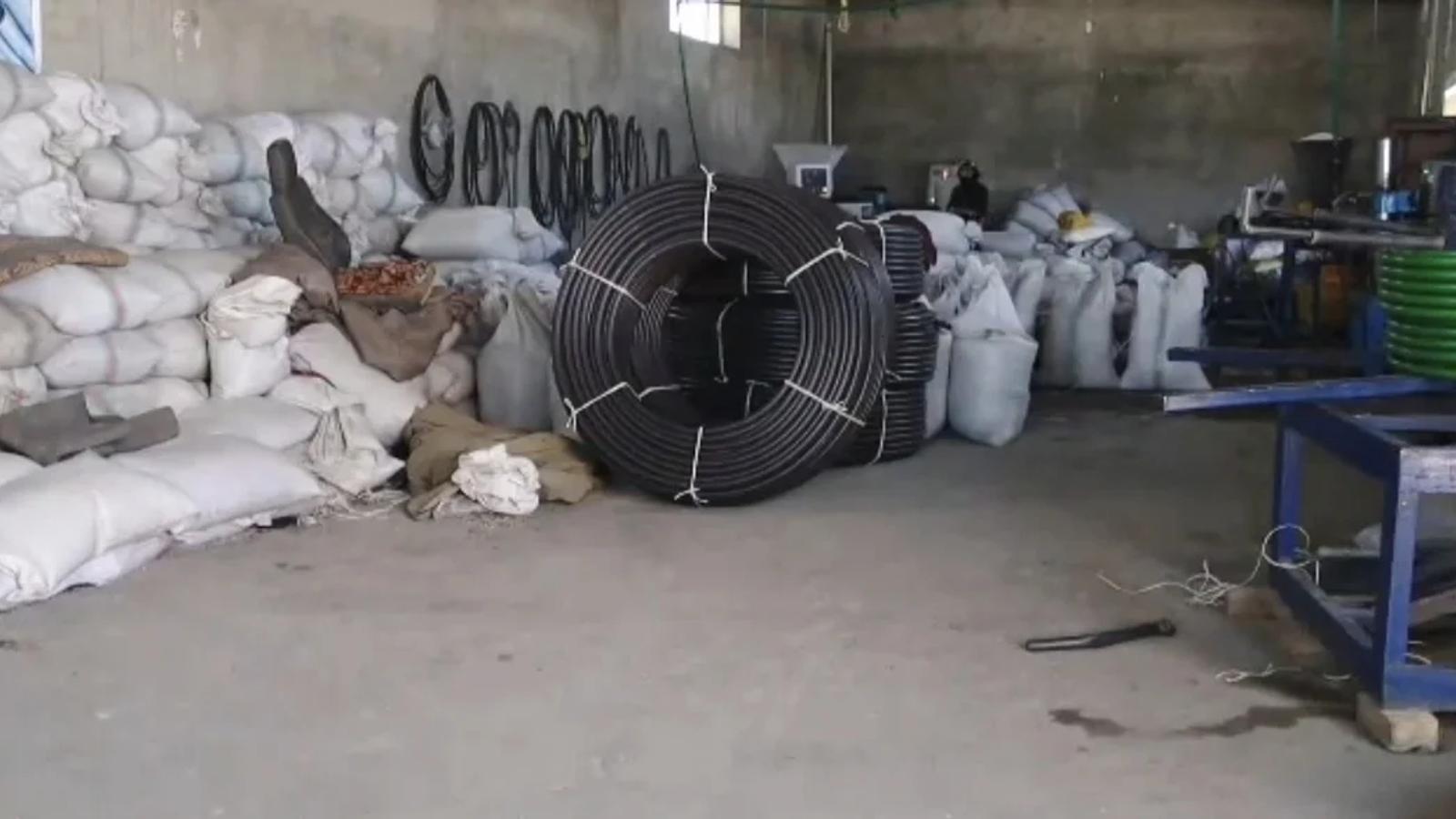
LOGAR, Afghanistan - A production company named Salma, located in the center of Logar province, is making a notable contribution to local manufacturing by producing approximately 1,300 kilograms of pipes on a daily basis. This output covers a range of pipe sizes, from half an inch to 5 inches, all crafted from high-quality materials that are sourced both from imports and domestic suppliers. The pipes are particularly suited for use in large and deep wells, addressing specific infrastructure and agricultural needs in the region.
Haji Ghulam Mohammad, who serves as the official responsible for the Salma company, has spoken about the impact of the factory on the local community. He indicated that the operation provides direct and indirect employment opportunities to around 45 people. This level of job creation is significant in the provincial context, helping families and contributing to economic activity.
In addition to discussing the company's achievements, Mohammad and other employees at the Salma factory have issued a call to traders and investors. They are encouraging greater levels of investment in domestic production facilities. Such investments, they argue, would not only expand the capacity of local industries but also generate more job opportunities specifically targeted at the youth.
The Salma company is part of a larger industrial landscape in Logar province, where approximately 85 production factories and companies are currently in operation. These businesses are engaged in the manufacturing of both food and non-food items. Their collective efforts have resulted in a substantial decrease in the volume of goods that need to be imported into the province, promoting a degree of self-sufficiency.
This development in Logar highlights the potential for industrial growth, with local production gradually reducing reliance on foreign supplies and fostering employment across the province.
Read the original reporting at Bakhtar News →
Reliability assessment
Single source with direct on-record attribution and quotes from named company official Haji Ghulam Mohammad plus local officials; includes concrete, checkable details such as specific production volume, employment numbers, product sizes and locations.
The source language reads straight.
Across the newsrooms
Filed by
Bakhtar News
Originating
Reported straight
Reported straight
Filed under
Economy — Logar, Salma company, Pipe production, Job creation, Local manufacturing
Reader supported
Keep Ehtebar running
Every published story uses paid tools to translate reporting, compare sources, extract claims, and produce a clearer read on Afghanistan. Reader support helps keep that work independent.
€5
helps cover daily verification runs
€15
supports a week of source comparison
€50
keeps independent analysis moving
More in Economy
Economic Commission Approves 37 Domestic Standards and 12 Testing Methods
— Reliable

Taliban Governor Says Around 700 Mines Under Extraction in Panjshir
— Reliable
Daily Production at Baghlan's Ghori Cement Factory Increases to 700 Tons
— Reliable

Two Irrigation and Flood-Prevention Projects Completed in Zabul
— Reliable