INTERNATIONAL — April 14, 2026
Trump Indicates Iran Deal Possible Despite U.S. Naval Blockade in Strait of Hormuz
U.S. President Donald Trump said a deal with Iran remains possible despite a U.S. naval blockade in the Strait of Hormuz after failed nuclear talks in Islamabad. Iranian President Masoud Pezeshkian echoed that an agreement could be reached if the U.S. respects Iran's rights.
The Ehtebar Desk — originates with Khaama Press — corroborated by Hurriyat and Ariana News — 2 min read
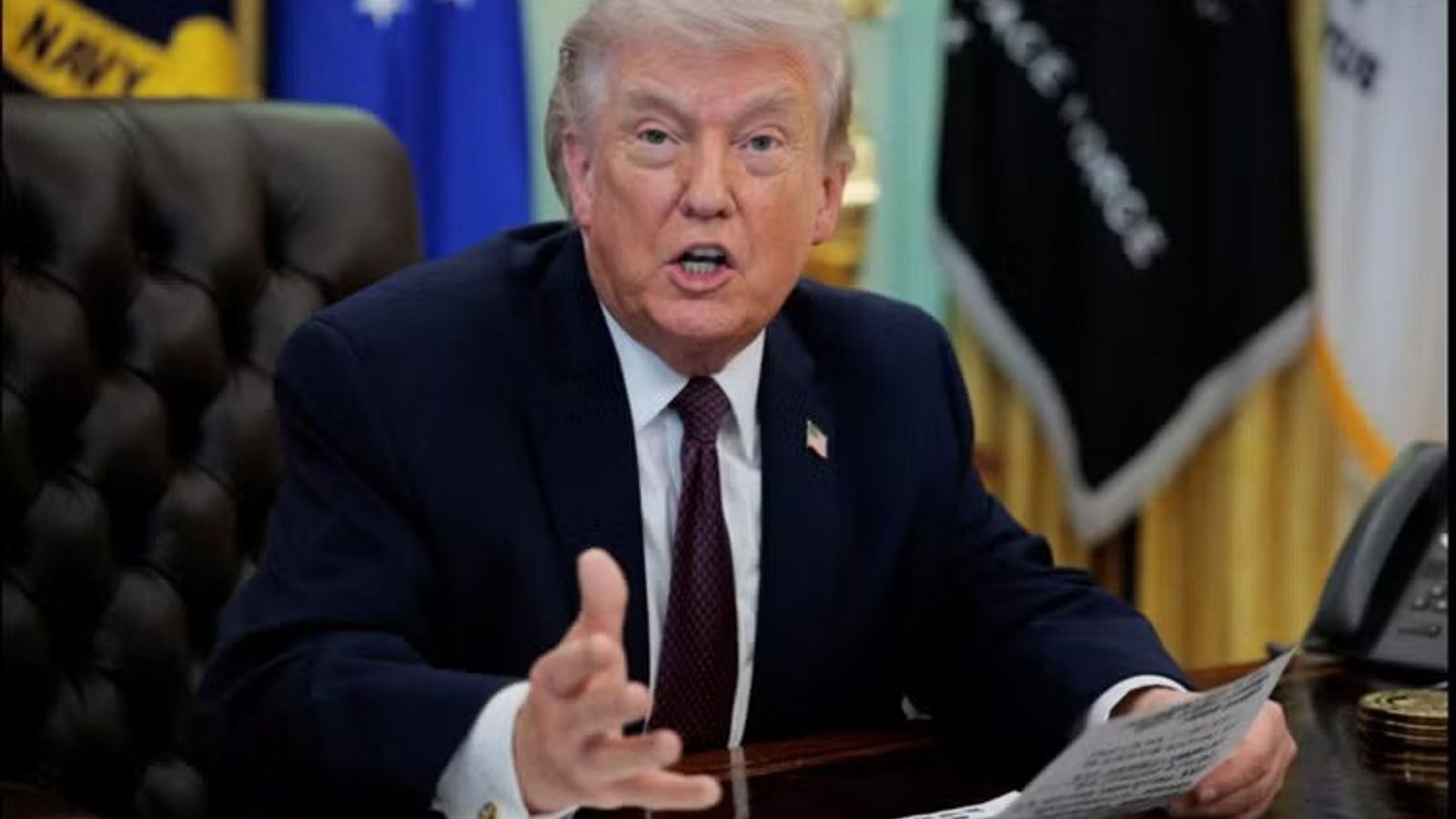
U.S. President Donald Trump stated that Iran wants an agreement but emphasized that any deal must prevent Iran from acquiring nuclear weapons. He made the remarks amid a U.S. naval blockade in the Strait of Hormuz following failed negotiations with Iran over nuclear issues.
Trump announced the blockade on ships through the strait, according to Ariana News. Khaama Press reported that the U.S. has begun enforcing the blockade, with more than 15 warships deployed near the strait, though at least one Iran-linked vessel passed through despite the measures.
The negotiations, which deadlocked over nuclear concerns, took place in Islamabad and were mediated by Pakistan over 21 hours, Khaama Press said. Iranian President Masoud Pezeshkian responded that a deal is possible if the U.S. respects Iran's rights.
Pakistan urged upholding a two-week ceasefire and continuing diplomacy, according to Khaama Press. Trump also claimed recent unverified overtures from Iran seeking an agreement, as reported by Ariana News.
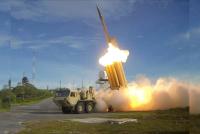
The developments come amid rising regional tensions, with the U.S. enforcing the blockade targeting Iranian ports and ships, per the sources.
Read the original reporting at Khaama Press →
Reliability assessment
Multiple outlets (Khaama Press, Hurriyat, Ariana News) corroborate Trump's on-record statements indicating a potential Iran deal despite the U.S. naval blockade in the Strait of Hormuz; Ariana News attributes the blockade announcement directly to Trump, and Khaama Press reports enforcement with over 15 warships.
The source language reads straight.
Independent web corroboration
A separate web search returned 8 matching reports. A selection:
U.S. President Donald Trump said on Monday that <strong>Iran wants to make a deal and that he will not come to any agreement</strong> that allows Tehran to have a nuclear weapon.
- Top US Senate Democrats again try for war powers resolution – as it happened | US-Israel war on Iran | The Guardiantheguardian.com
Seafarers as well as the United ... apply to all ship traffic, regardless of the vessel’s flag. <strong>The US President claimed that Iran wanted to reach a deal</strong>....
- Trump says Iran wants ‘peace deal’ but insists on ‘no nukes’ | US-Israel war on Iran | Al Jazeeraaljazeera.com
US President Donald Trump says <strong>Iran wants to make a peace deal “very badly” after talks in Islamabad ended without agreement</strong>, insisting any framework hinges on Tehran agreeing never to develop a nuclear weapon.
- Iran war live: Three ships pass through Hormuz strait amid US, Iran blocks | US-Israel war on Iran News | Al Jazeeraaljazeera.com
The US blockade of Iran’s ports is in effect, but <strong>US President Donald Trump says Iranian officials have called and “want to work a deal”.</strong> Read more
Across the newsrooms
Where reports agree
- Trump expressed openness to a potential deal with Iran despite strict conditions on nuclear weapons
- US has imposed or begun enforcing a naval blockade in the Strait of Hormuz
- US-Iran negotiations have failed or reached deadlock over nuclear issues
Where reports differ
- Location and specifics of negotiations (Islamabad/Pakistan mediation and 21-hour duration in Khaama Press vs. unspecified in Ariana News)
- Details of blockade enforcement (warship numbers, vessel passage, targeting Iranian ports in Khaama Press vs. general ship blockade in Ariana News)
- Iranian official response (Pezeshkian statement and ceasefire mention only in Khaama Press)
Filed by 3 outlets
Khaama Press
Originating
Reported straight
Reported straight
Hurriyat
Reported straight
Reported straight
Ariana News
Reported straight
Reported straight
Filed under
International — Trump, Iran, Strait of Hormuz, Pakistan, US blockade
Reader supported
Keep Ehtebar running
Every published story uses paid tools to translate reporting, compare sources, extract claims, and produce a clearer read on Afghanistan. Reader support helps keep that work independent.
€5
helps cover daily verification runs
€15
supports a week of source comparison
€50
keeps independent analysis moving