
SOCIETY — February 15, 2026
Turkish author says Taliban penal code endorses family violence, gender-based violence
Turkish author Elif Shafak condemned the Taliban's new penal code as creating a system of slavery and endorsing violence against women, children, and the poor. Local sources reported the first implementation in Badghis province amid ongoing criticism.
The Ehtebar Desk — originates with Amu TV — 2 min read
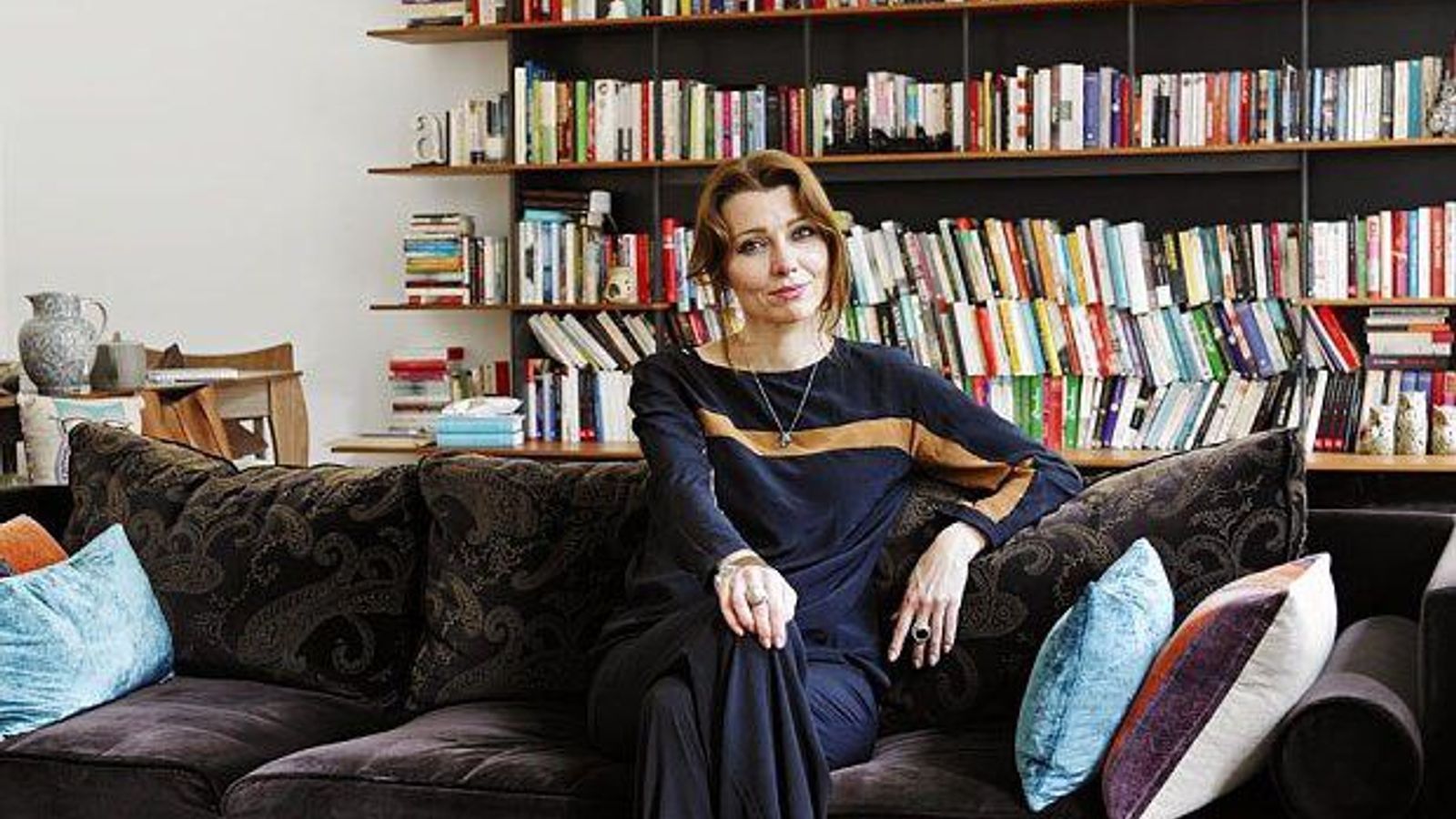
Turkish author Elif Shafak criticized the Taliban's recently approved penal code principles, describing the development as 'deeply concerning' and overlooked by the global community.
In an Instagram post on Sunday, Shafak said the document establishes a class system of 'high and low' people, positioning women as 'slaves' and husbands as automatic 'slave owners.' She argued it endorses various forms of oppression, including family violence and gender-based violence, and could pave the way for femicide. Shafak added that the implications extend beyond women to children and the poor, urging the international community not to ignore recent legal changes in Afghanistan.
The remarks come as the Taliban have begun implementing the penal code despite protests and criticism. Three local and informed sources said that in the first reported case, the Taliban sentenced a man in Jahandosti village, Balamorghab district of Badghis province, to one year in prison and 39 lashes for insulting the Taliban leader.
Following the Taliban leader's approval, several controversial articles in the 10-chapter, 119-article penal code have drawn backlash. Critics, including some religious scholars, contend the provisions suppress people, violate human rights, contradict Islamic principles, and grant the Taliban authority to issue rulings on permissible or forbidden matters.
The scholars said the code conflicts with Islamic teachings and empowers the Taliban unduly. Human rights organizations had previously warned about references to 'slavery' in the document, heavy punishments for the public, and exemptions for the Taliban and their supporters. The Taliban have threatened legal action against critics without responding to the objections.
Read the original reporting at Amu TV →
Reliability assessment
Single source with opinion-heavy content from named author Elif Shafak; key implementation detail (first sentencing) attributed to unnamed 'three local and informed sources' (second-hand); strong anti-Taliban framing and sensational elements like 'slavery' claims.
Across the newsrooms
Filed by
Amu TV
Originating
Filed under
Society — Taliban, penal code, Elif Shafak, women's rights, Badghis
Reader supported
Keep Ehtebar running
Every published story uses paid tools to translate reporting, compare sources, extract claims, and produce a clearer read on Afghanistan. Reader support helps keep that work independent.
€5
helps cover daily verification runs
€15
supports a week of source comparison
€50
keeps independent analysis moving
More in Society
Health Officials and Experts Discuss Rise in Black Jaundice Cases in Afghanistan
— Reliable

Discussion on Agricultural Products and Health Services in Samangan Province
— Reliable
WHO Report Cites Taliban Restrictions and Funding Shortfalls as Threats to Health Services in Afghanistan
— Reliable
Afghan officials report returns of families from Pakistan and Iran alongside releases from Pakistani prisons
— Reliable