
SOCIETY — February 19, 2026
UN-Habitat Warns of Increasing Climate Shocks Threatening Afghanistan
UN-Habitat warns that intensifying climate shocks, including 2025 flash floods affecting over 31,000 people in 28 provinces, pose a serious threat to Afghanistan's vulnerable infrastructure and communities. Residents report insufficient aid, while UN agencies emphasize coordinated resilience efforts.
The Ehtebar Desk — originates with Amu TV — corroborated by Hasht-e Subh — 2 min read
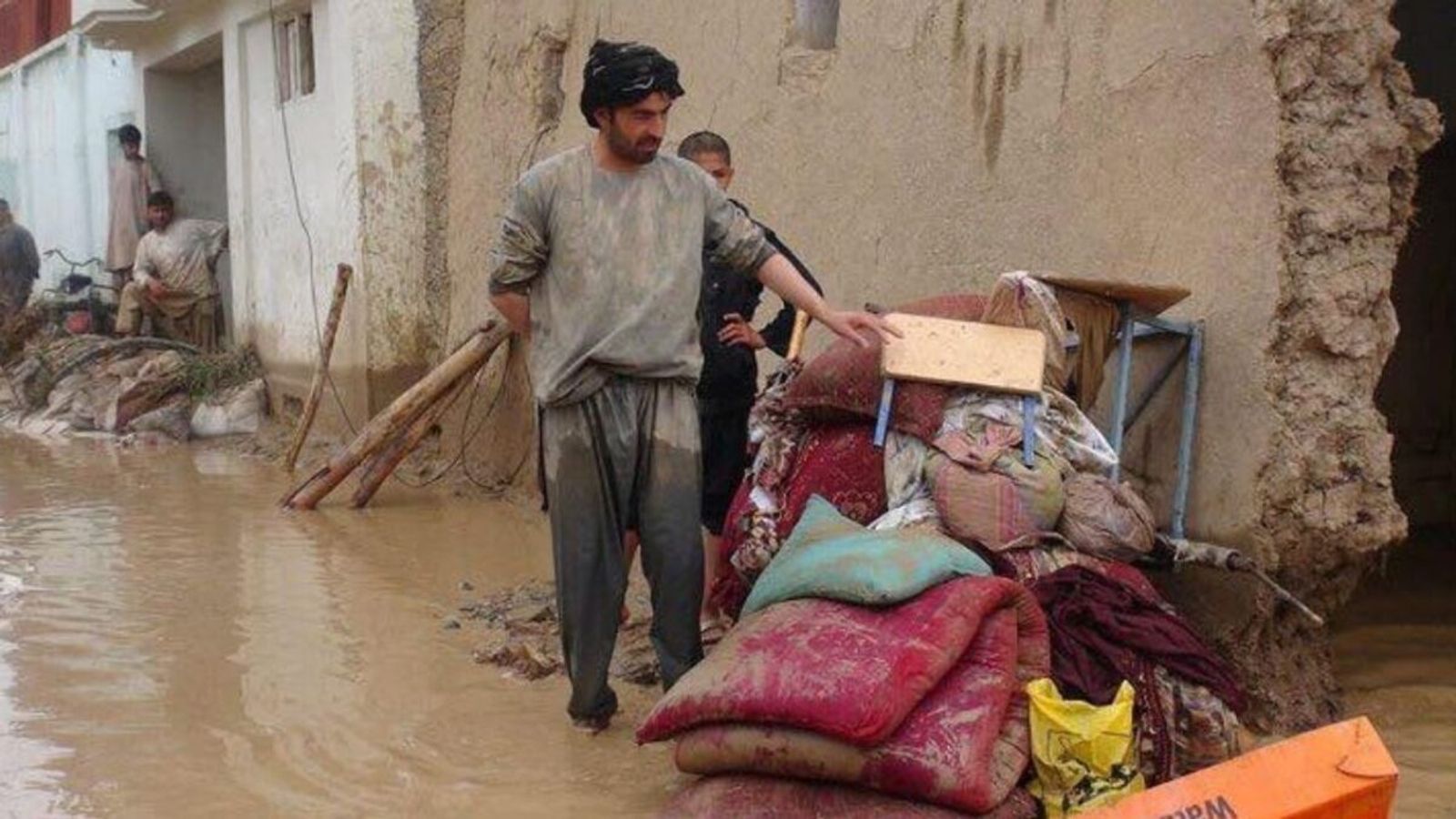
The United Nations Human Settlements Programme (UN-Habitat) has warned that climate shocks are intensifying and Afghanistan remains highly vulnerable to natural disasters that are becoming more widespread and destructive each year.
According to a report from UN-Habitat, more than 31,000 people across 28 provinces were affected by flash floods in 2025. These floods destroyed homes, submerged agricultural lands and damaged local infrastructure. The agency stated that the vulnerability of infrastructure to climate change increases the risk of such disasters recurring.
UN-Habitat said in a statement: "Climate shocks are increasing. Infrastructure must be resilient. In 2025, over 31,000 people in Afghanistan, in 28 provinces were affected by flash floods."
Meanwhile, the UN Special Trust Fund for Afghanistan stated that it is coordinating with partners on a coherent approach to address the consequences of these crises. The focus is on strengthening community resilience, reducing long-term damages and supporting sustainable reconstruction in vulnerable sectors.
The fund said: "Adapting to climate change requires systemic actions. With the UN Special Trust Fund for Afghanistan and its partners, we are developing a coordinated approach that strengthens reduction of long-term damages and supports sustainable reconstruction."
However, residents in flood-affected areas report that aid has been limited and insufficient. They complain of shortages of food, shelter and basic facilities, and call for urgent assistance.
A flood victim in Farah province said: "When the flood came near us, we suffered heavy losses. Now we have many problems. They gave us two sacks of flour and two tents. That's all. We are 15 people; what can two tents do? The flood took everything we had."
Another victim in Badghis province said: "The flood took our homes; we couldn't salvage anything, we left empty-handed. Everything is buried under mud, and no aid has reached us yet. The flood took our land and trees, and no help arrived."
International organizations report that floods, heavy rains, storms and climate fluctuations in 2025 caused deaths, injuries and infrastructure damage across the country.
The International Organization for Migration previously stated that nearly 400,000 people had been displaced by droughts and floods, with more than five million directly affected.
Environmental experts warn that without urgent investments in water resource management, resilient infrastructure and climate adaptation programs, Afghanistan will remain trapped in a cycle of recurring natural crises threatening thousands of families each year.
Read the original reporting at Amu TV →
Reliability assessment
Key facts corroborated by two outlets citing a specific UN-Habitat report with concrete details (31,000 affected in 28 provinces by 2025 flash floods).
Across the newsrooms
Filed by 2 outlets
Amu TV
Originating
Hasht-e Subh
Filed under
Society — climate change, floods, UN-Habitat, Farah, Badghis
Reader supported
Keep Ehtebar running
Every published story uses paid tools to translate reporting, compare sources, extract claims, and produce a clearer read on Afghanistan. Reader support helps keep that work independent.
€5
helps cover daily verification runs
€15
supports a week of source comparison
€50
keeps independent analysis moving
More in Society
Health Officials and Experts Discuss Rise in Black Jaundice Cases in Afghanistan
— Reliable
Discussion on Agricultural Products and Health Services in Samangan Province
— Reliable
WHO Report Cites Taliban Restrictions and Funding Shortfalls as Threats to Health Services in Afghanistan
— Reliable
Afghan officials report returns of families from Pakistan and Iran alongside releases from Pakistani prisons
— Reliable