
SOCIETY — April 2, 2026
UN Report Labels Taliban Restrictions on Women as Systematic Discrimination
The United Nations has labeled Taliban restrictions on Afghan women—including bans on education, public spaces and work—as systematic discrimination violating CEDAW commitments. The policies systematically exclude women from public life, leading to long-term harms.
The Ehtebar Desk — originates with Afghanistan International — corroborated by Hasht-e Subh — 2 min read
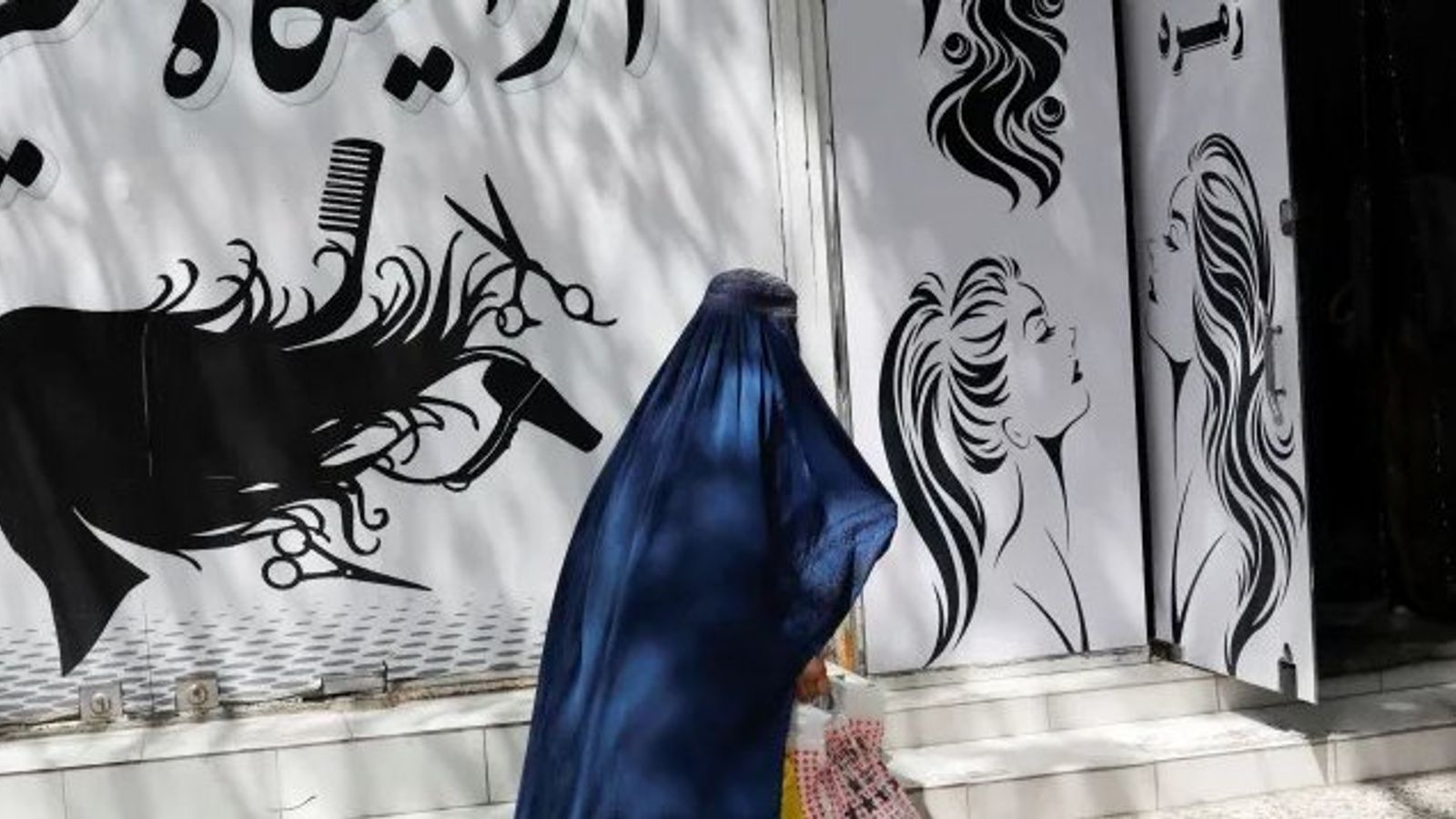
The United Nations has deemed restrictions imposed by the Taliban on Afghan women as systematic and direct discrimination that violates their fundamental rights.
A UN review highlights bans preventing women from accessing public parks, gyms and public baths, as well as requirements for women to travel with a male guardian, or mahram, and mandates for hijab, face covering and restrictions on raising their voice in public. It also cites prohibitions on girls' education beyond the sixth grade, higher and specialized education, and women's employment, including removal from government positions.
The UN Human Rights Office's report states these measures violate Afghanistan's commitments under the Convention on the Elimination of All Forms of Discrimination Against Women (CEDAW), to which the country acceded in 2003. UN experts have condemned the policies as gender apartheid.
The restrictions, including those enforced by the Taliban's Ministry of Vice and Virtue, form a continuous process excluding women from public life, recreation, health services, education, work and social participation. The UN warns of long-term deprivations and a reduction in female specialists, particularly in health.
Read the original reporting at Afghanistan International →
Reliability assessment
2 independent sources corroborate core event of UN report/office review criticizing Taliban restrictions on women as CEDAW violations; key details on bans (parks, education, work) align across sources despite some variation in specifics.
The source language mixes facts with framing or advocacy wording. Hasht-e Subh: "repressive actions" (sarkobgaraneh, loaded term implying oppression); "dire situation" (vakhim, emotional framing of hardship); "gender apartheid" (advocacy phrasing presenting discrimination as systemic racial-like segregation).
Independent web corroboration
A separate web search returned 8 matching reports. A selection:
The report, published jointly by ... and laws affecting women and girls and concludes that <strong>many constitute direct and systemic discrimination under international law</strong>....
Across the newsrooms
Where reports agree
- UN report deems Taliban women's restrictions as violations of CEDAW
- Key restrictions corroborated: bans on parks access, girls' education, women's work
- Restrictions form a systematic process excluding women from public life
Where reports differ
- Source 1 provides more detailed restrictions (mahram travel, hijab/voice, gyms/baths) not explicitly listed in Source 2
- Source 2 mentions specific accession to CEDAW in 2003 and Ministry of Vice and Virtue law, not in Source 1
Filed by 2 outlets
Afghanistan International
Originating
Reported straight
Reported straight
Hasht-e Subh
Framed
Framed
Filed under
Society — Taliban, UN Human Rights Office, CEDAW, women's rights, Afghanistan
Reader supported
Keep Ehtebar running
Every published story uses paid tools to translate reporting, compare sources, extract claims, and produce a clearer read on Afghanistan. Reader support helps keep that work independent.
€5
helps cover daily verification runs
€15
supports a week of source comparison
€50
keeps independent analysis moving
More in Society
Health Officials and Experts Discuss Rise in Black Jaundice Cases in Afghanistan
— Reliable
Discussion on Agricultural Products and Health Services in Samangan Province
— Reliable
WHO Report Cites Taliban Restrictions and Funding Shortfalls as Threats to Health Services in Afghanistan
— Reliable
Afghan officials report returns of families from Pakistan and Iran alongside releases from Pakistani prisons
— Reliable