
SOCIETY — April 3, 2026
UNICEF Warns Bans on Girls' Education and Women's Work in Afghanistan Cause Long-Term Harm
UNICEF has warned that bans on girls' secondary education and women's employment in Afghanistan are causing long-term harm, including economic dependency, exploitation risks and shortages of female professionals. A joint UNESCO-UNICEF statement noted 2.2 million adolescent girls are excluded from school.
The Ehtebar Desk — originates with Khaama Press — corroborated by Hasht-e Subh — 2 min read
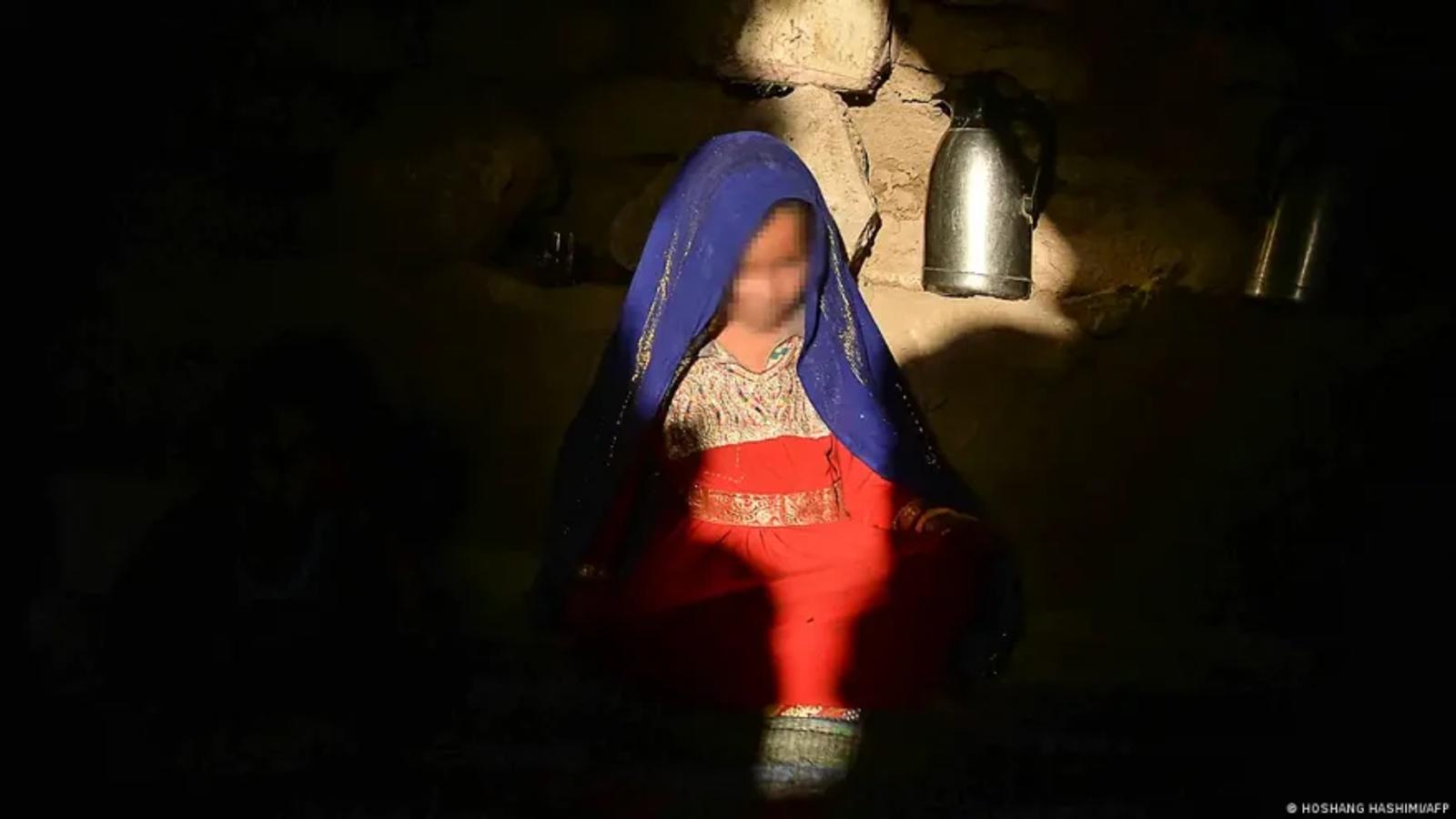
UNICEF has warned that ongoing bans on girls' education beyond primary school and restrictions on women's employment in Afghanistan are inflicting long-term harm on women, girls and society.
The agency stated that these policies increase protection risks, including economic dependency, reduced access to services, and exposure to exploitation and abuse. Afghanistan remains the only country barring girls and women from secondary and higher education, according to UNICEF.
A joint UNESCO-UNICEF statement from January reported that 2.2 million adolescent girls are excluded from school due to these restrictions. UNICEF highlighted consequences such as heightened risk of child marriage, reduced future earnings potential, worsening mental health, and shortages of trained female professionals in critical sectors like healthcare and education.
The restrictions are eroding individual dignity, undermining national resilience, and limiting opportunities for future generations, UNICEF said. These issues are compounding amid Afghanistan's ongoing humanitarian crisis.
Read the original reporting at Khaama Press →
Reliability assessment
Two outlets (Khaama Press, Hasht-e Subh) corroborate UNICEF's on-record warning and joint UNESCO-UNICEF statement regarding long-term harms from bans on girls' secondary education and women's employment in Afghanistan, including exclusion of 2.2 million girls from school.
The source language mixes facts with framing or advocacy wording. Khaama Press: "eroding both individual dignity and long-term resilience" (value judgment on dignity); "direct threat to the country’s ability to recover" (advocacy framing exclusion as existential risk); "risks losing another generation of opportunity, stability and social progress" (emotional manipulation evoking generational loss).
Independent web corroboration
An independent web search turned up no separate corroborating reports. Treat the account as single-sourced until more outlets pick it up.
Across the newsrooms
Where reports agree
- UNICEF warning on education and work bans for Afghan women and girls
- Ban on girls' secondary education
- Restrictions harm social and economic resilience
Filed by 2 outlets
Khaama Press
Originating
Framed
Framed
Hasht-e Subh
Reported straight
Reported straight
Filed under
Society — UNICEF, Afghan girls education, women employment ban, Afghanistan, UNESCO
Reader supported
Keep Ehtebar running
Every published story uses paid tools to translate reporting, compare sources, extract claims, and produce a clearer read on Afghanistan. Reader support helps keep that work independent.
€5
helps cover daily verification runs
€15
supports a week of source comparison
€50
keeps independent analysis moving
More in Society
Health Officials and Experts Discuss Rise in Black Jaundice Cases in Afghanistan
— Reliable
Discussion on Agricultural Products and Health Services in Samangan Province
— Reliable
WHO Report Cites Taliban Restrictions and Funding Shortfalls as Threats to Health Services in Afghanistan
— Reliable
Afghan officials report returns of families from Pakistan and Iran alongside releases from Pakistani prisons
— Reliable