
SOCIETY — April 28, 2026
UNICEF Warns of 25,000-Female Worker Shortage in Afghanistan by 2030
UNICEF reports that ongoing restrictions on girls' education and women's employment in Afghanistan could result in a shortage of approximately 25,000 female teachers and health workers by 2030, costing the economy an estimated $84 million annually.
The Ehtebar Desk — originates with Ariana News — corroborated by Pajhwok, Hasht-e Subh, Khaama Press and 1 more — 2 min read
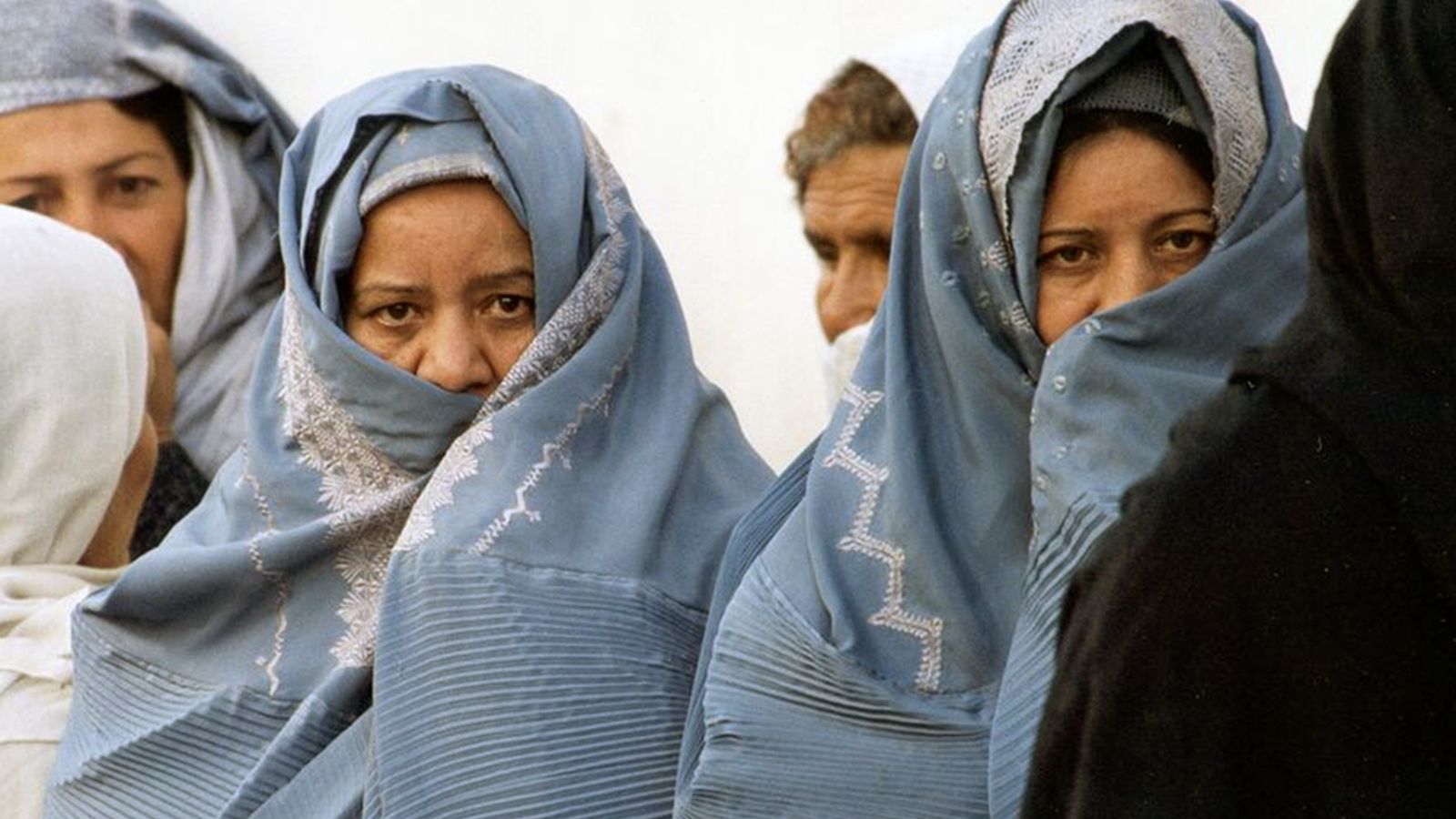
A new report from the United Nations Children’s Fund (UNICEF) warns that Afghanistan could face a shortage of approximately 25,000 female teachers and health workers by 2030 if current restrictions on girls’ education and women’s employment continue. The agency projects the shortfall will include roughly 20,000 educators and 5,400 healthcare professionals, threatening the delivery of essential public services across the country.
According to the report, women’s representation in the civil service has already declined from 21 percent in 2023 to 17.7 percent in 2025. The number of female teachers has similarly fallen from approximately 73,000 in 2022 to 66,000 in 2024. UNICEF noted that more than one million girls have been excluded from secondary education since 2021, a figure that could surpass two million by the end of the decade.
The economic impact of these restrictions is estimated at $84 million annually, equivalent to roughly 0.5 percent of the country’s gross domestic product. The shortage is expected to disproportionately affect maternal and child healthcare, as cultural norms in many regions limit women’s access to male medical providers.
UNICEF Executive Director Catherine Russell warned of severe long-term consequences for the country’s development and called for the immediate lifting of barriers to women’s education and employment. The agency emphasized that restoring access to schooling and professional opportunities is critical to stabilizing essential services and supporting economic recovery.
Read the original reporting at Ariana News →
Reliability assessment
5 independent outlets corroborate the publication and core findings of a direct UNICEF report. The claims are backed by concrete, verifiable UN data and on-record statements from UNICEF Executive Director Catherine Russell. No conflicting information exists across sources; variations are limited to supplementary statistics included by individual outlets.
The source language mixes facts with framing or advocacy wording. Khaama Press: The title uses the emotionally loaded word "Shocking," and the text employs mild advocacy framing with phrases like "sweeping restrictions" and "critical gap" to emphasize the severity of the situation beyond strictly neutral reporting.
Across the newsrooms
Where reports agree
- All sources confirm UNICEF published a report warning of a ~25,000 shortage in female teachers and health workers by 2030.
- All sources agree the projected losses break down to ~20,000 teachers and ~5,400 health workers.
- All sources cite the $84 million annual economic cost and the drop in female civil service participation to 17.7%.
- All sources highlight the severe impact on maternal and child healthcare due to cultural restrictions limiting women's access to male health workers.
- All sources attribute the crisis to ongoing Taliban restrictions on girls' secondary education and women's employment.
Filed by 5 outlets
Ariana News
Originating
Reported straight
Reported straight
Pajhwok
Reported straight
Reported straight
Hasht-e Subh
Reported straight
Reported straight
Khaama Press
Framed
Framed
Amu TV
Reported straight
Reported straight
Filed under
Society — UNICEF, Women's Education, Healthcare Workforce, Taliban, Afghanistan
Reader supported
Keep Ehtebar running
Every published story uses paid tools to translate reporting, compare sources, extract claims, and produce a clearer read on Afghanistan. Reader support helps keep that work independent.
€5
helps cover daily verification runs
€15
supports a week of source comparison
€50
keeps independent analysis moving
More in Society
Health Officials and Experts Discuss Rise in Black Jaundice Cases in Afghanistan
— Reliable
Discussion on Agricultural Products and Health Services in Samangan Province
— Reliable
WHO Report Cites Taliban Restrictions and Funding Shortfalls as Threats to Health Services in Afghanistan
— Reliable
Afghan officials report returns of families from Pakistan and Iran alongside releases from Pakistani prisons
— Reliable