
SOCIETY — February 19, 2026
UNODC facilitates Indonesia visit to boost Afghanistan’s drug treatment efforts
UNODC facilitated a visit by Afghan drug treatment experts to Indonesia to enhance evidence-based prevention and rehabilitation services amid rising synthetic drug use. The initiative, backed by JICA and aligned with the Doha Process, addresses key public health challenges in Afghanistan.
The Ehtebar Desk — originates with Pajhwok — 2 min read
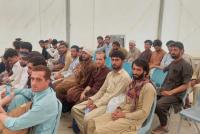
KABUL — The United Nations Office on Drugs and Crime (UNODC) Afghanistan Country Office facilitated an exposure visit for Afghan nationals to Jakarta, Indonesia, from February 9 to 12, 2026.
According to a UNODC statement, the visit was organized under the UN-convened Doha Process Counternarcotics Working Group (CNWG), in collaboration with UN partners and support from the Japan International Cooperation Agency (JICA).
The delegation included Afghan professionals and practitioners involved in drug demand reduction, as well as representatives from UNODC, UNDP, WHO, JICA Afghanistan, and Indonesian counterparts. The aim was to strengthen technical dialogue and cooperation on evidence-based drug use prevention, treatment, rehabilitation, and reintegration services for Afghans affected by drug use disorders, particularly women and men, to build more resilient communities.
The Doha Process CNWG serves as a platform for technical dialogue supporting engagement for the Afghan people in line with global standards, emphasizing a health-focused, humane approach to treatment that upholds individual rights and dignity.
A JICA representative stated: “We are pleased to realize this visit, which aligns with the Doha Process Counternarcotics Working Group and the Joint Engagement Plan for drug use prevention and treatment. Counternarcotics remains one of the immediate and fundamental needs in Afghanistan. We are confident that this visit marks an important step forward, contributing meaningfully to collective efforts to address this critical issue. JICA extends its appreciation to the Government of Indonesia for hosting the visit and to UNODC for its coordination. We sincerely hope that the knowledge gained through this visit will benefit the people of Afghanistan.”
UNODC Country Representative for Afghanistan Polleak Ok Serei said strengthening Afghanistan’s drug treatment system through evidence-based and rights-respecting approaches is essential to protecting lives and fostering resilient communities.
Afghanistan faces significant public health and social challenges from drug use disorders. The last national prevalence survey in 2015 showed around 11 percent of the population tested positive for at least one drug. UNODC’s Afghanistan Drug Use Assessment 2025 indicates a shifting landscape with rising synthetic drugs, pharmaceutical misuse, high economic costs often exceeding a day’s wage, service gaps, and gender disparities in treatment access — 29 percent for women versus 53 percent for men.
Read the original reporting at Pajhwok →
Reliability assessment
Single source (Pajhwok) provides direct UNODC statement, named officials (Polleak Ok Serei, JICA representative), concrete details (dates, locations, delegation composition), and verifiable data from UNODC assessment; not high-stakes or volatile.
Across the newsrooms
Filed by
Pajhwok
Originating
Filed under
Society — UNODC, drug treatment, Indonesia, JICA, Doha Process
Reader supported
Keep Ehtebar running
Every published story uses paid tools to translate reporting, compare sources, extract claims, and produce a clearer read on Afghanistan. Reader support helps keep that work independent.
€5
helps cover daily verification runs
€15
supports a week of source comparison
€50
keeps independent analysis moving
More in Society
Health Officials and Experts Discuss Rise in Black Jaundice Cases in Afghanistan
— Reliable
Discussion on Agricultural Products and Health Services in Samangan Province
— Reliable
WHO Report Cites Taliban Restrictions and Funding Shortfalls as Threats to Health Services in Afghanistan
— Reliable
Afghan officials report returns of families from Pakistan and Iran alongside releases from Pakistani prisons
— Reliable