INTERNATIONAL — April 14, 2026
US, Iran Likely to Hold Second Round of Talks Before Ceasefire Expires
US and Iran concluded inconclusive direct talks in Islamabad, with a second round of negotiations likely before the April 22 ceasefire expires. Possible locations include Islamabad or Geneva, amid reports of differing proposals on Iran's uranium enrichment.
The Ehtebar Desk — originates with Amu TV — corroborated by Pajhwok, Khaama Press and RTA — 2 min read
ISLAMABAD (Afghan Verified) -- Iran and the United States held direct talks in Islamabad over the weekend, lasting around 21 hours, which ended without agreement, multiple reports said.
The negotiations took place amid a fragile ceasefire established on April 8 and set to expire on April 22. Diplomatic efforts continue as both sides consider a second round before the deadline, with possible venues including Islamabad or Geneva.
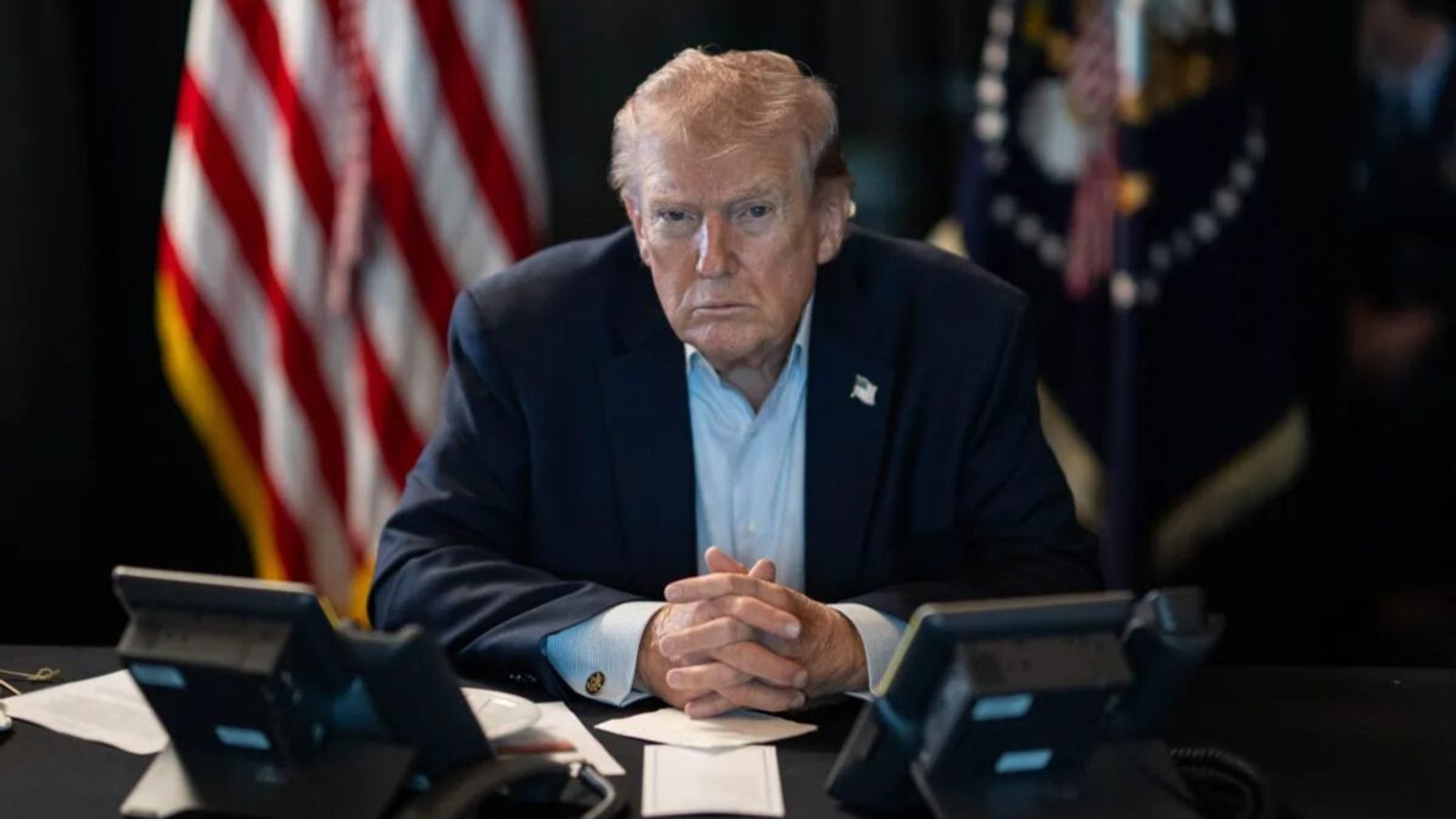
US President Donald Trump stated that negotiations may resume within the next two days, possibly in Pakistan again, according to Amu TV. Trump also said the talks failed because Iran was unwilling to abandon its nuclear program, Pajhwok reported.
Khaama Press reported that the US proposed a 20-year suspension of Iran's uranium enrichment, which Iran rejected and countered with a five-year suspension. Iran's parliamentary speaker Mohammad Bagher Ghalibaf said the US failed to win Iran's trust, per Pajhwok.
Reports from the Associated Press, cited by Pajhwok and RTA, indicated ongoing discussions for the next round, potentially as early as Thursday. Pakistan hosted the first round and has facilitated the process.
Read the original reporting at Amu TV →
Reliability assessment
All 4 independent outlets corroborate core event of recent US-Iran talks in Islamabad ending without agreement and planning for second round before ceasefire expires; includes named on-record statements from Trump, Sharif, Ghalibaf, and citations to AP/Reuters; detail variations (timing, proposals) do not undermine event confirmation
The source language reads straight.
Across the newsrooms
Where reports agree
- US-Iran held direct talks in Islamabad that ended without agreement
- Second round of talks under consideration before ceasefire expires
- Ceasefire currently in effect between US and Iran
- Pakistan played role in hosting first round and facilitating process
Where reports differ
- Specific US proposal details (20-year vs 5-year uranium freeze) reported only by one source
- Exact timing of second round (next two days/end of week vs Thursday)
- Trump's statements on talks vary slightly across reports
- Venue preferences (Iran favors Islamabad, US considering alternatives)
Filed by 4 outlets
Amu TV
Originating
Reported straight
Reported straight
Pajhwok
Reported straight
Reported straight
Khaama Press
Reported straight
Reported straight
RTA
Reported straight
Reported straight
Filed under
International — US-Iran talks, Islamabad, ceasefire, Trump, Pakistan
Reader supported
Keep Ehtebar running
Every published story uses paid tools to translate reporting, compare sources, extract claims, and produce a clearer read on Afghanistan. Reader support helps keep that work independent.
€5
helps cover daily verification runs
€15
supports a week of source comparison
€50
keeps independent analysis moving