
SOCIETY — April 25, 2026
Water Infrastructure Projects Completed in Kandahar Province
Kandahar provincial officials have completed a UNDP-funded irrigation canal and 44 drinking water networks, providing agricultural and household water access while planning additional projects to address ongoing regional shortages.
The Ehtebar Desk — originates with ToloNews — corroborated by Bakhtar News — 2 min read
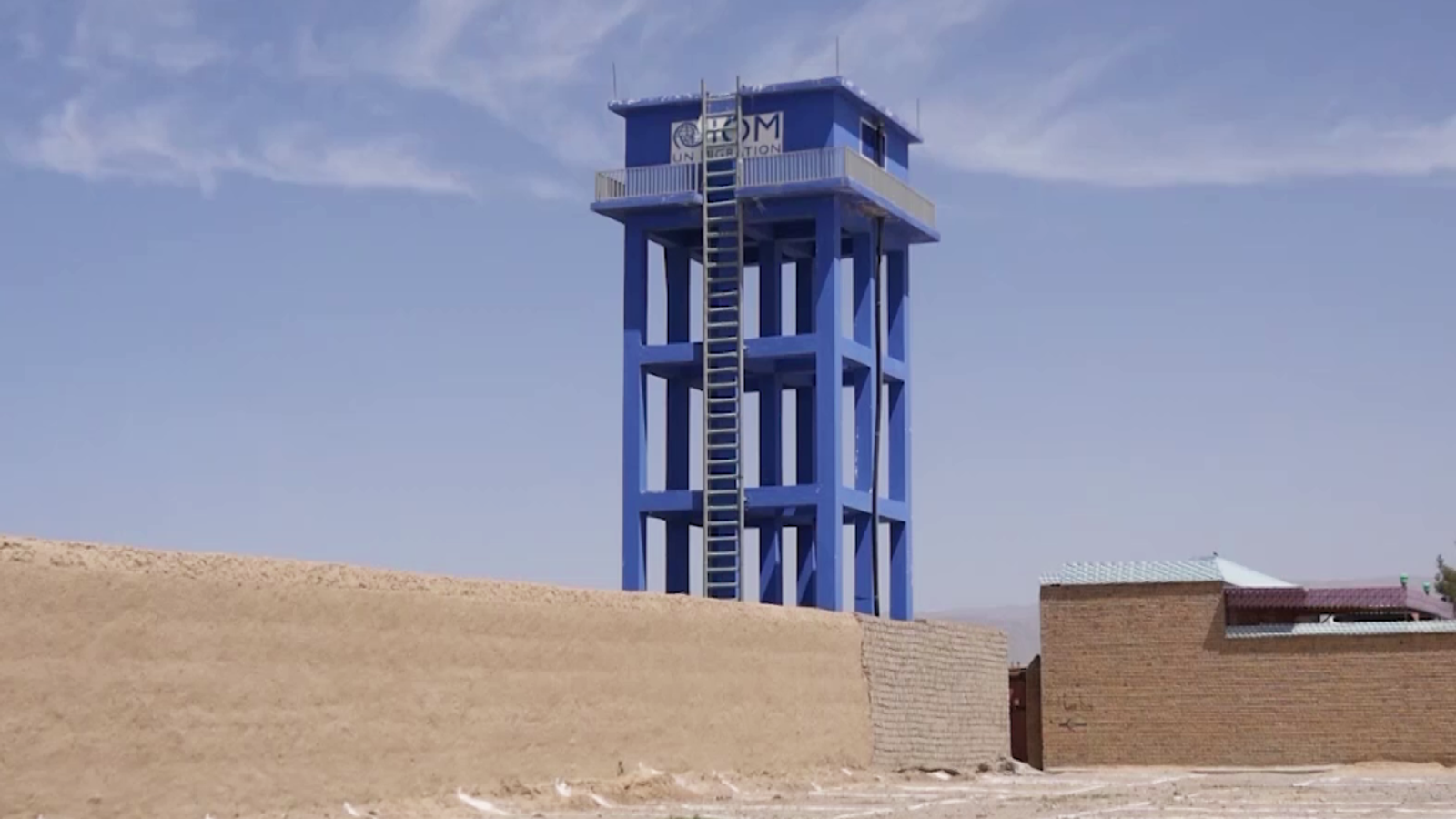
Officials from the Kandahar Directorate of Rural Rehabilitation and Development have announced the completion of several water infrastructure initiatives across the province, targeting both agricultural irrigation and household drinking water supplies.
In Maiwand district, a 650-meter irrigation canal has been finalized at a cost of just over three million Afghanis. Funded by the United Nations Development Programme, the channel measures 60 centimeters in width and is intended to supply water to hundreds of jeribs of cultivated land. Local farmers and residents have welcomed the completion of the project, emphasizing the need for continued investment in rural agricultural infrastructure.
In a separate initiative, provincial authorities confirmed the construction of 44 drinking water networks distributed across 18 districts. The project, which required an investment of 148 million Afghanis, has extended clean water access to roughly 13,000 households. Despite these recent improvements, water scarcity remains a pressing challenge in several border areas, where residents continue to rely on costly private water purchases.
Directorate officials noted that planning is underway for more than 20 additional water projects this year to address ongoing shortages. Community representatives have publicly acknowledged the recent developments and called for sustained efforts to expand water delivery systems throughout Kandahar.
Read the original reporting at ToloNews →
Reliability assessment
Both outlets provide direct, on-record attribution to named officials from the Kandahar Rural Rehabilitation and Development department, along with concrete details (costs, locations, dimensions, beneficiary numbers). The reports cover complementary but distinct water infrastructure initiatives rather than conflicting accounts, making the core events fully corroborated and reliable.
The source language reads straight.
Across the newsrooms
Where reports agree
- Both sources report on recently completed water infrastructure projects in Kandahar province.
- Both cite officials from the Kandahar Directorate of Rural Rehabilitation and Development.
- Both note local residents' engagement and calls for continued water development projects.
Where reports differ
- The sources cover different types of projects: Bakhtar reports on a single irrigation canal for agriculture, while ToloNews reports on 44 drinking water supply networks for households.
- Funding attribution differs: Bakhtar explicitly credits UNDP for the canal, while ToloNews does not specify the funding source for the water networks.
- Cost and scale differ due to the distinct nature of the projects (3M AFN for one canal vs. 148M AFN for 44 networks).
Filed by 2 outlets
ToloNews
Originating
Reported straight
Reported straight
Bakhtar News
Reported straight
Reported straight
Filed under
Society — Kandahar, Rural Rehabilitation and Development, UNDP, Water Infrastructure, Maiwand
Reader supported
Keep Ehtebar running
Every published story uses paid tools to translate reporting, compare sources, extract claims, and produce a clearer read on Afghanistan. Reader support helps keep that work independent.
€5
helps cover daily verification runs
€15
supports a week of source comparison
€50
keeps independent analysis moving
More in Society

Health Officials and Experts Discuss Rise in Black Jaundice Cases in Afghanistan
— Reliable

Discussion on Agricultural Products and Health Services in Samangan Province
— Reliable
WHO Report Cites Taliban Restrictions and Funding Shortfalls as Threats to Health Services in Afghanistan
— Reliable
Afghan officials report returns of families from Pakistan and Iran alongside releases from Pakistani prisons
— Reliable