
ECONOMY — May 4, 2026
WFP Reports 20 Percent Rise in Afghan Food Prices Amid Strait of Hormuz Disruptions
The World Food Programme reports that disruptions in the Strait of Hormuz have increased food prices in Afghanistan by 20 percent and tripled humanitarian transport costs. Officials warn that extended delivery times and rerouted supply chains could heighten the risk of hunger among children.
The Ehtebar Desk — originates with Hasht-e Subh — corroborated by Ariana News and Khaama Press — 2 min read
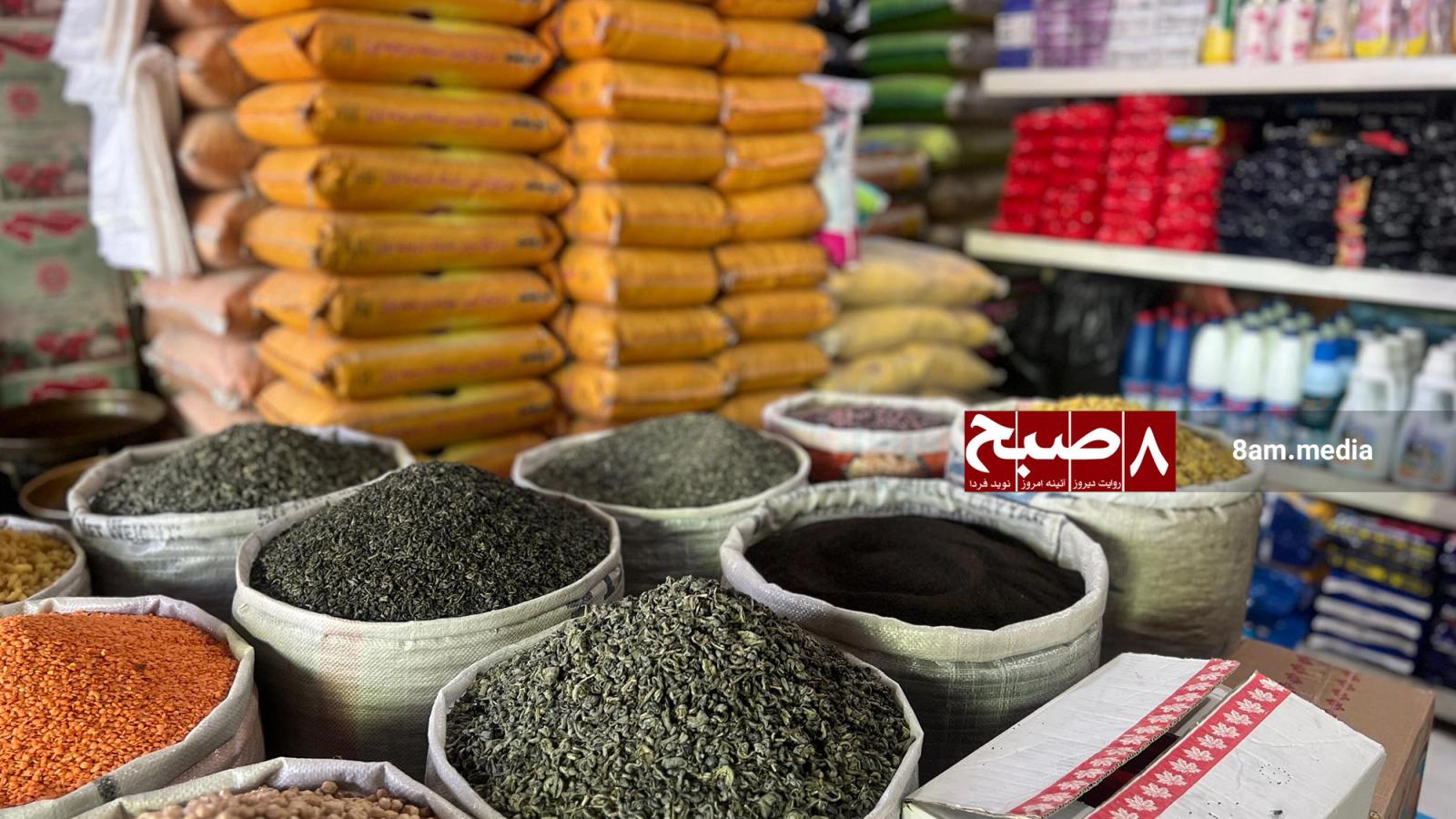
The World Food Programme has reported a 20 percent increase in food prices across Afghanistan following disruptions to shipping routes in the Strait of Hormuz. John Ayliff, the WFP’s head of office in Afghanistan, stated that the ongoing conflict involving the United States, Israel, and Iran has severely impacted regional trade and driven up global oil prices.
According to Ayliff, the closure of the strategic waterway has forced humanitarian organizations to reroute essential supplies, including fortified biscuits, overland through seven neighboring countries. This logistical shift has extended delivery times by approximately three weeks and tripled the cost of transporting humanitarian aid into the country. The agency noted that the rerouting of shipments has added significant logistical complexity, as aid convoys must now navigate multiple border crossings instead of utilizing direct maritime transit.
The WFP warned that these supply chain disruptions could have severe consequences for vulnerable populations, particularly children, who may face increased risks of hunger and malnutrition. Officials stressed that without stabilized shipping corridors, the financial burden on humanitarian operations will continue to rise, directly affecting the availability of essential nutrition programs.
International shipping through the Strait of Hormuz has been halted amid the escalating regional tensions. The resulting trade bottlenecks have triggered broader economic ripple effects, with Afghanistan’s import-dependent food market experiencing immediate price adjustments. Humanitarian agencies are currently assessing alternative supply routes to mitigate further delays and stabilize food access in affected communities.
Read the original reporting at Hasht-e Subh →
Reliability assessment
Three independent outlets corroborate the World Food Programme's on-record statement by John Ayliff regarding a 20 percent rise in food prices and increased transport costs due to Strait of Hormuz disruptions. The core claim is directly attributable to a named official and confirmed across multiple sources, meeting the threshold for reliable status.
The source language reads straight.
Independent web corroboration
A separate web search returned 8 matching reports. A selection:
- Calls for humanitarian corridor through strait of Hormuz as Iran war hits vital aid | Global development | The Guardiantheguardian.com
The country, which is experiencing severe drought, has also seen the prices of basic foods rise by 20% as fuel prices drive up transportation costs, according to the World Food Programme (WFP).
However, the Iran war has introduced additional logistical challenges, with the disruption of key humanitarian supply routes from strategic hubs such as Dubai, Doha, and Abu Dhabi following the effective closure of the Strait of Hormuz. The WFP reports the war has resulted in a large disruption of their supply chain affecting 70,000 metric tons of food.
Across the newsrooms
Filed by 3 outlets
Hasht-e Subh
Originating
Reported straight
Reported straight
Ariana News
Reported straight
Reported straight
Khaama Press
Reported straight
Reported straight
Filed under
Economy — World Food Programme, John Ayliff, Strait of Hormuz, Food Prices, Afghanistan
Reader supported
Keep Ehtebar running
Every published story uses paid tools to translate reporting, compare sources, extract claims, and produce a clearer read on Afghanistan. Reader support helps keep that work independent.
€5
helps cover daily verification runs
€15
supports a week of source comparison
€50
keeps independent analysis moving
More in Economy

Economic Commission Approves 37 Domestic Standards and 12 Testing Methods
— Reliable

Taliban Governor Says Around 700 Mines Under Extraction in Panjshir
— Reliable
Daily Production at Baghlan's Ghori Cement Factory Increases to 700 Tons
— Reliable

Two Irrigation and Flood-Prevention Projects Completed in Zabul
— Reliable