
ECONOMY — June 27, 2026
WFP Reports Pakistan Border Closures Deepen Afghanistan Humanitarian Crisis
The agency notes that 13.8 million people already face acute food insecurity, with another 2.3 million at risk in the next six months as prices for food, fuel and fertilizer rise sharply.
The Ehtebar Desk — originates with Khaama Press — 2 min read
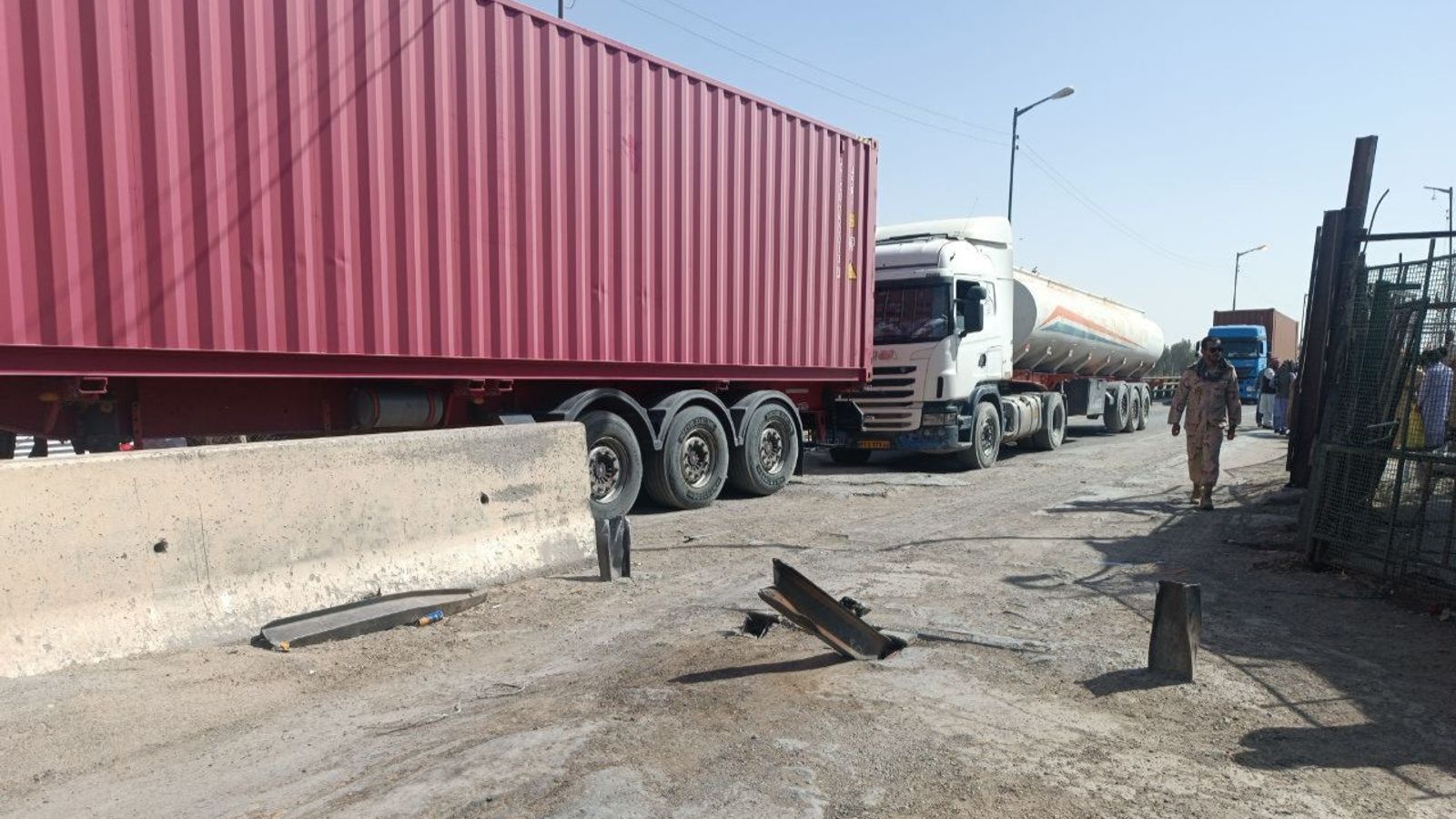
The World Food Programme has reported that closures at major border crossings with Pakistan have forced a significant shift in Afghanistan's trade routes. Approximately 60 percent of the country's trade now moves through Iran, resulting in longer and more expensive transportation.
This change has led to sharp increases in the prices of food, fuel, and fertilizer. Items such as Pakistani rice, sugar, cooking oil, fuel, and fertilizer have seen notable price rises since October 2025.
The agency stated that 13.8 million people in Afghanistan are facing acute food insecurity. An additional 2.3 million could enter acute hunger within the next six months if the situation persists.
The return of approximately six million Afghans from Pakistan and Iran since 2023 has added pressure on the economy. Of these returnees, only one in five has secured formal employment.
Temporary closures at crossings including Torkham and Spin Boldak-Chaman have disrupted both trade and aid deliveries. Pakistan has continued its deportation campaign against undocumented Afghans.
The World Food Programme has called for the reopening of trade routes, increased funding, and additional humanitarian assistance to address the crisis.
Read the original reporting at Khaama Press →
Reliability assessment
Single source (Khaama Press) provides direct, on-record attribution to WFP report with specific figures, dates and named border crossings; core event of WFP statements is corroborated by concrete details
The source language mixes facts with framing or advocacy wording. Khaama Press: "deepen Afghanistan’s humanitarian crisis", "sharply increased food prices", "driving up the cost", "adding further pressure on Afghanistan’s fragile economy"; these phrases use emotionally loaded terms like 'deepen', 'sharply', 'driving up', and 'fragile' to frame the situation as an intensifying disaster rather than neutrally reporting data.
Independent web corroboration
A separate web search returned 8 matching reports. A selection:
The World Food Program warned that ... border closures with Pakistan, regional instability linked to the Middle East conflict, declining humanitarian funding and the return of millions of Afghan migrants from neighboring countries
Across the newsrooms
Filed by
Khaama Press
Originating
Framed
Framed
Filed under
Economy — WFP, Afghanistan humanitarian crisis, Pakistan border closures, food insecurity, Torkham border
Reader supported
Keep Ehtebar running
Every published story uses paid tools to translate reporting, compare sources, extract claims, and produce a clearer read on Afghanistan. Reader support helps keep that work independent.
€5
helps cover daily verification runs
€15
supports a week of source comparison
€50
keeps independent analysis moving
More in Economy
Economic Commission Approves 37 Domestic Standards and 12 Testing Methods
— Reliable

Taliban Governor Says Around 700 Mines Under Extraction in Panjshir
— Reliable
Daily Production at Baghlan's Ghori Cement Factory Increases to 700 Tons
— Reliable

Two Irrigation and Flood-Prevention Projects Completed in Zabul
— Reliable