
SOCIETY — March 8, 2026
Woman, Beyond a Day on the Calendar
Hasht-e Subh features a first-person essay on International Women's Day reflecting on Afghan women's educational barriers across generations, from rural illiteracy to 2022 school closures for girls above sixth grade in Mazar-i-Sharif.
The Ehtebar Desk — originates with Hasht-e Subh — 2 min read
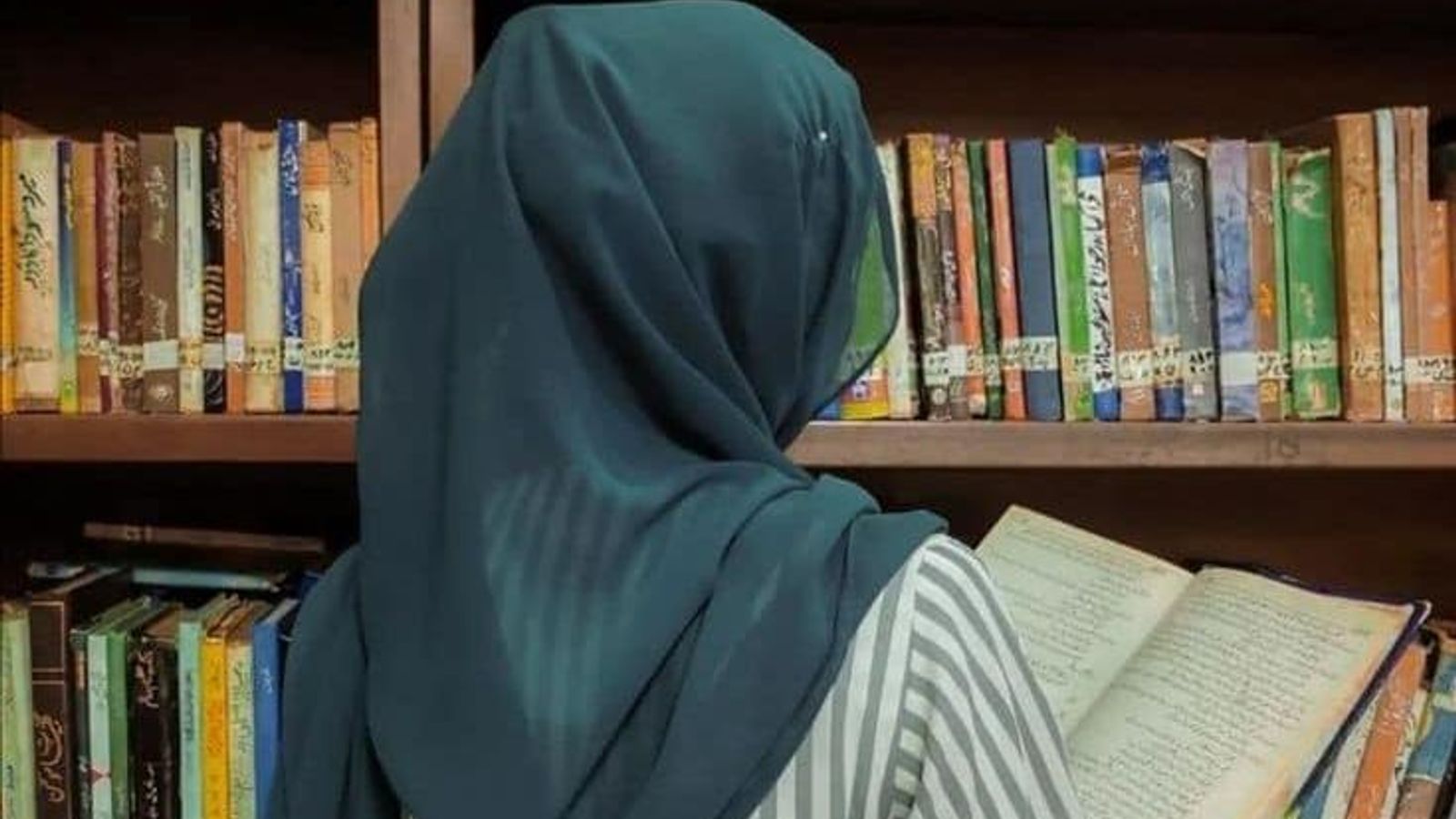
A personal essay published by Hasht-e Subh on International Women's Day questions why women are commemorated only once a year, portraying them as integral to daily life through stories of patience, resilience and hope.
The author recounts growing up in a household where her mother's voice emanated primarily from the kitchen, her cooking infused with affection. The mother expressed regret over her illiteracy, unable to read shop signs or pharmacy names without assistance. She noted that in her era, schools existed but her own mother prioritized livestock care and household duties over education. In the village, few girls attended school due to insecurity, fear and societal beliefs that educated women might shun domestic work.
The author describes her 2021 school routine in Mazar-i-Sharif, leaving home at 12:45 p.m. in heavy burqa, chapan and chador amid hot weather, finding relief only in class. Upon dismissal, gray cars with monitors ensured girls wore burqas properly.
In 2022, schools for girls above sixth grade closed pending further orders, ushering prolonged uncertainty. Peers who once discussed university aspirations became mothers, deprived of opportunities for independence. Over five years, bans on secondary and higher education for girls have closed doors to dreams, fostering silent sorrow and inner fatigue among them.
The essay frames these restrictions as more than educational barriers, impacting mental health and futures, yet maintains that Afghan women embody more than suffering, with hope enduring.
Read the original reporting at Hasht-e Subh →
Reliability assessment
Single source provides first-hand account with concrete, checkable details including specific location (Mazar-i-Sharif), timeline (2021-2022), and policy reference (closure above sixth grade until further order); core events align with documented restrictions.
The source language mixes facts with framing or advocacy wording. Phrases like 'woman is life itself' (زن خودِ زندهگی است), 'a season of waiting, silence, and sometimes despair' (فصلی بود از انتظار، سکوت و گاهی ناامیدی), and 'the pain is there' (درد آنجاست) use poetic, emotional framing to evoke sympathy and advocate for women's roles beyond hardship.
Across the newsrooms
Filed by
Hasht-e Subh
Originating
Filed under
Society — women's rights, girls' education, Mazar-i-Sharif, International Women's Day
Reader supported
Keep Ehtebar running
Every published story uses paid tools to translate reporting, compare sources, extract claims, and produce a clearer read on Afghanistan. Reader support helps keep that work independent.
€5
helps cover daily verification runs
€15
supports a week of source comparison
€50
keeps independent analysis moving
More in Society
Health Officials and Experts Discuss Rise in Black Jaundice Cases in Afghanistan
— Reliable

Discussion on Agricultural Products and Health Services in Samangan Province
— Reliable
WHO Report Cites Taliban Restrictions and Funding Shortfalls as Threats to Health Services in Afghanistan
— Reliable
Afghan officials report returns of families from Pakistan and Iran alongside releases from Pakistani prisons
— Reliable