
ECONOMY — March 21, 2026
World Bank Projects Over 3% Growth for Afghanistan in 2026 Amid Trade Shocks
The World Bank forecasts more than 3% economic growth for Afghanistan in 2026, insufficient to counter 3% population growth and 70% poverty amid trade disruptions with Pakistan and Iran causing over $1.5 billion in losses. Price hikes of up to 35% and shortages have intensified economic pressures.
The Ehtebar Desk — originates with Afghanistan International — 2 min read
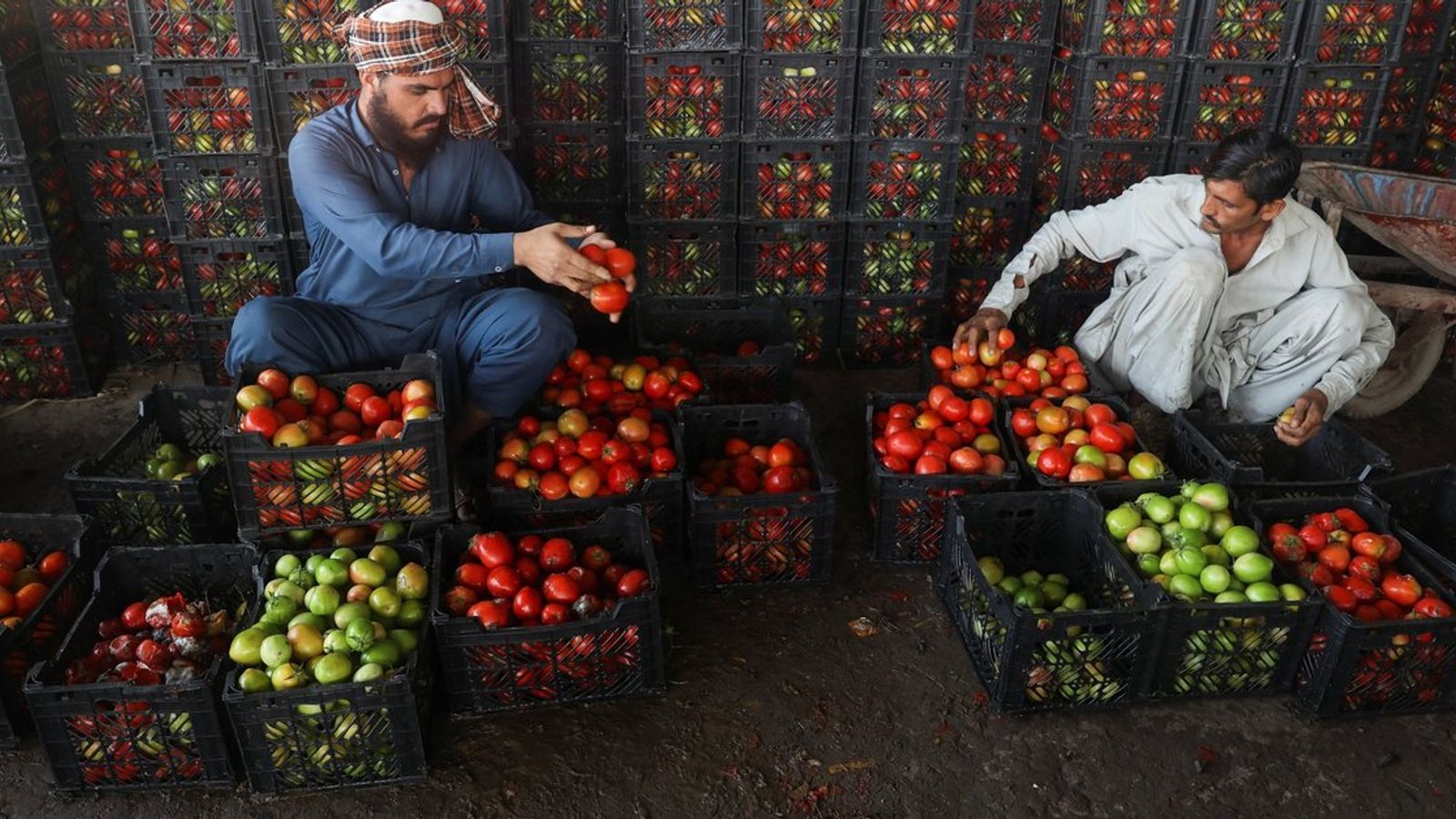
The World Bank estimates more than 3% economic growth for Afghanistan in 2026, a figure that follows an approximately 20% economic collapse after the Taliban's takeover. This projected growth comes amid about 3% annual population growth and more than 70% of the population living below the poverty line, conditions that require at least 10% growth for noticeable improvement. The projection signals a relative halt in decline rather than sustainable progress.
A major shock stemmed from severed economic relations with Pakistan, Afghanistan's primary route to global markets including India, the United Arab Emirates and Turkey. Exports to Pakistan totaled about $743 million. Based on World Bank assessments of 2025 trade volumes, the trade halt caused average daily losses of about $6.5 million. From late October 2025, direct losses reached about $910 million, exceeding $1.5 billion when including transit disruptions and third-party market losses. This led to shortages of basic goods and price increases of up to 35%.
Iran emerged as an alternative, with annual exports to Afghanistan of nearly $3.5 billion and transit routes via Chabahar and Bandar Abbas providing access to Middle East markets and India, where annual trade volume is about $1 billion. However, escalating conflicts involving the United States, Israel and Iran disrupted these routes, effectively blockading Afghanistan's access to international markets from both directions.
Trade with Central Asian countries including Uzbekistan, Tajikistan, Turkmenistan and Kazakhstan has increased but cannot replace Pakistan and Iran due to geographical limitations and lack of effective access to global markets. Short-term effects include higher prices and supply shortages, with long-term pressures on investments and livelihoods.
Read the original reporting at Afghanistan International →
Reliability assessment
Single detailed analytical source citing reputable World Bank data with concrete, checkable figures (growth rates, trade volumes, specific losses, population stats); no disputes and verifiable attributions.
The source language mixes facts with framing or advocacy wording. Afghanistan International: 'real deadlock' (title), 'no longer analyzable by usual market logic', 'unprecedented fall', 'fragile economy' – these phrases introduce interpretive framing, mild alarmism, and subjective assessment of economic irrationality beyond neutral factual reporting.
Independent web corroboration
A separate web search returned 8 matching reports. A selection:
- Tawsia: Assessment of Afghanistan’s economic activities in 1404 | Ariana News | Afghanistan Newsariananews.af
Assessment of Afghanistan’s economic activities in 1404
closed borders, declining foreign aid and broader economic difficulties have weakened purchasing power across the country
- Pakistan had been strangling Afghanistan’s economy. Now it is bombing hospitals | The Indian Expressindianexpress.com
the forced return of over two million Afghan nationals from Pakistan in 2025 had already pushed millions toward acute food insecurity
renewed cross-border violence with Pakistan
Across the newsrooms
Filed by
Afghanistan International
Originating
Framed
Framed
Filed under
Economy — Afghanistan economy, World Bank, Pakistan trade, Iran trade, Taliban government
Reader supported
Keep Ehtebar running
Every published story uses paid tools to translate reporting, compare sources, extract claims, and produce a clearer read on Afghanistan. Reader support helps keep that work independent.
€5
helps cover daily verification runs
€15
supports a week of source comparison
€50
keeps independent analysis moving
More in Economy
Economic Commission Approves 37 Domestic Standards and 12 Testing Methods
— Reliable

Taliban Governor Says Around 700 Mines Under Extraction in Panjshir
— Reliable
Daily Production at Baghlan's Ghori Cement Factory Increases to 700 Tons
— Reliable

Two Irrigation and Flood-Prevention Projects Completed in Zabul
— Reliable